
For salon owners: this is a client-education resource you’re welcome to share with your own customers — on your website, in a treatment-menu explainer or a pre-appointment email. It’s written for the person considering treatment, not for the trade, and it makes no promises — just a clear, honest explainer you can put your name to.
In short: HIFU stands for High-Intensity Focused Ultrasound. It’s a non-invasive cosmetic treatment that uses focused ultrasound energy directed beneath the surface of the skin, and it’s commonly offered for skin tightening and lifting. It doesn’t involve surgery or injections. What it feels like and what results people notice vary from person to person, so a consultation is the right starting point.
HIFU is one of the most-searched skin treatments in the UK, which means there’s a lot written about it — some of it overhyped. This is a calm, plain-English guide to what it is and how it works, so you can decide whether to ask your practitioner about it.
What does HIFU stand for?
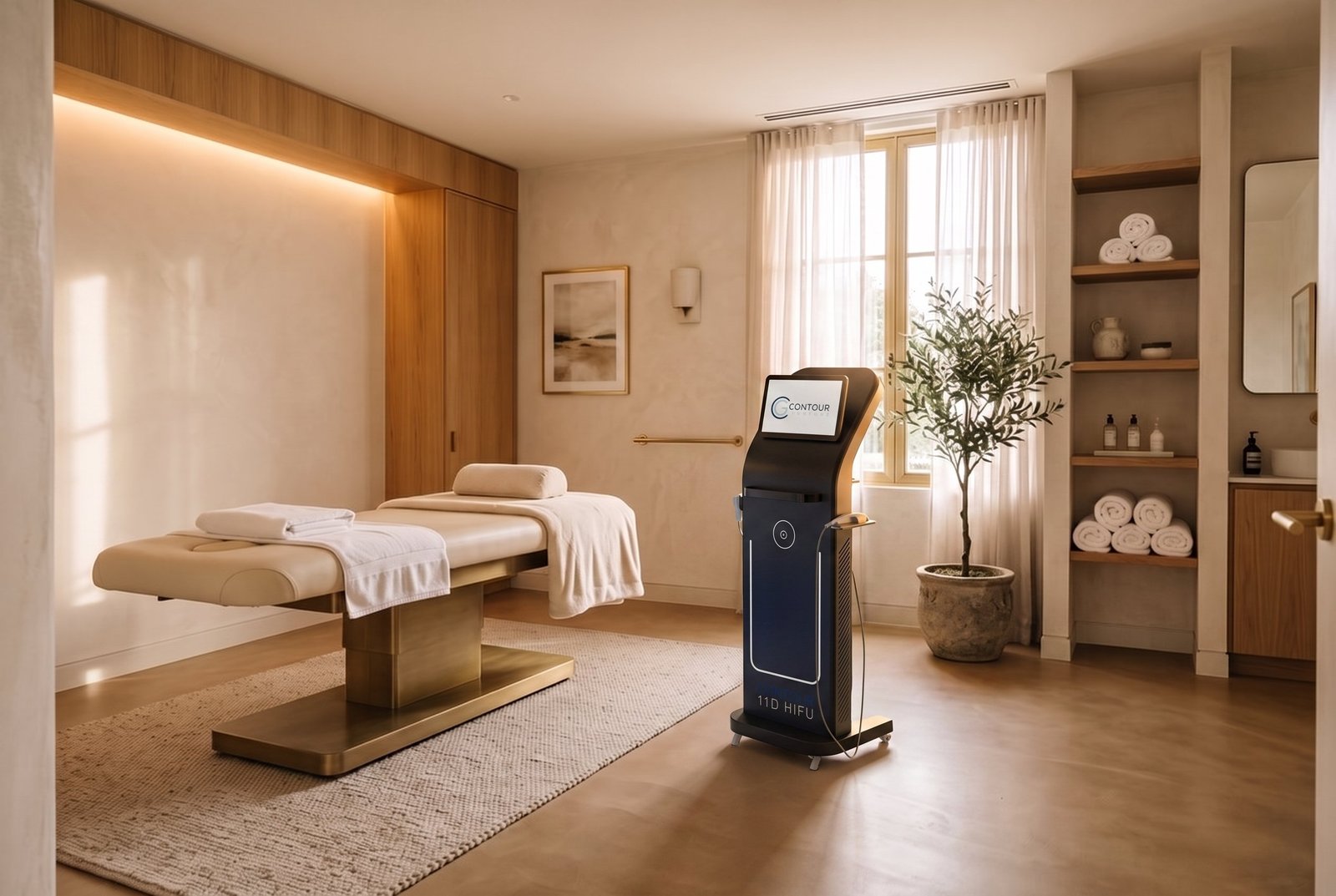
HIFU stands for High-Intensity Focused Ultrasound. “Ultrasound” is the same broad family of technology used in lots of everyday settings; the “focused” part means the energy is concentrated to a specific point rather than spread across the surface.
It’s most often talked about as a non-surgical skin-tightening or lifting treatment, typically for areas like the face, jawline, brow and neck — though the specifics depend on the device and the practitioner.
How does HIFU work?
The idea behind HIFU is to deliver focused ultrasound energy to specific depths beneath the skin’s surface, without breaking the skin itself. Because the energy is focused below the surface, the top layer of skin is left intact — which is why it’s described as non-invasive.
A few practical points that matter more to you as a client:
- It’s usually a treatment you can walk in and out of, without the recovery associated with surgery.
- It’s a cosmetic treatment, not a medical procedure, and not a substitute for surgical options.
- Results, comfort and the number of sessions vary between people and between devices, so there’s no single universal experience.
We’re keeping the science deliberately high-level here, because the honest truth is that the outcome depends on your skin, your goals and the specific treatment — which is a conversation for your practitioner, not a promise from a web page.
What does a HIFU treatment feel like?
Experiences differ, but people commonly describe sensations of warmth and occasional brief prickling or tingling during treatment as the energy is delivered. Sessions are often described as tolerable rather than painful, but sensitivity is personal, and your practitioner can talk you through what to expect and check in with you throughout.
Is there any downtime?

One of the reasons HIFU is popular is that it’s typically presented as a non-invasive treatment with little to no downtime — many people return to their day afterwards. Some temporary redness, warmth or mild tenderness in the treated area is commonly described and usually settles. Your practitioner should tell you what’s normal for you and give you aftercare advice.
What results can I expect?

Here’s where honesty matters most. Results vary from person to person, and HIFU is not a facelift or a guaranteed outcome. Some people are pleased with a gradual change over the weeks following treatment; others respond less noticeably. Factors like your skin, your age, your expectations and the specific device all play a part.
Be cautious of any provider — or any advert — that promises a dramatic, guaranteed result. A responsible practitioner will set realistic expectations at your consultation and won’t oversell it. That’s a sign of a good salon, not a hesitant one.
Who is HIFU suitable for?
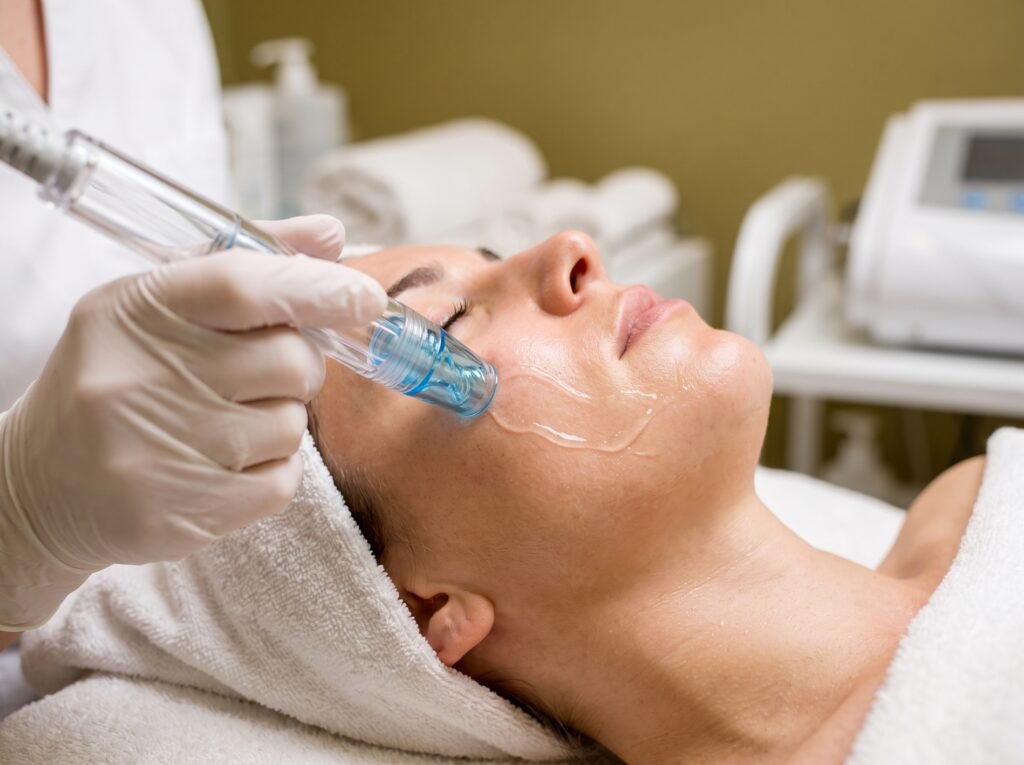
Suitability depends on the individual, which is exactly what a consultation is for. Your practitioner will consider your skin, your goals and your medical history, and should tell you honestly if HIFU isn’t the right choice for you — or not right at this time. If you’re pregnant, have a medical condition or are unsure, mention it, and your practitioner will factor it in and may suggest speaking to your GP.
Questions worth asking your salon

- What results are realistic for me, and over what timescale?
- How many sessions might I need?
- What does the treatment feel like, and is there any downtime?
- What training and qualifications does the practitioner hold?
- Is HIFU suitable for my skin and circumstances?
The honest bottom line
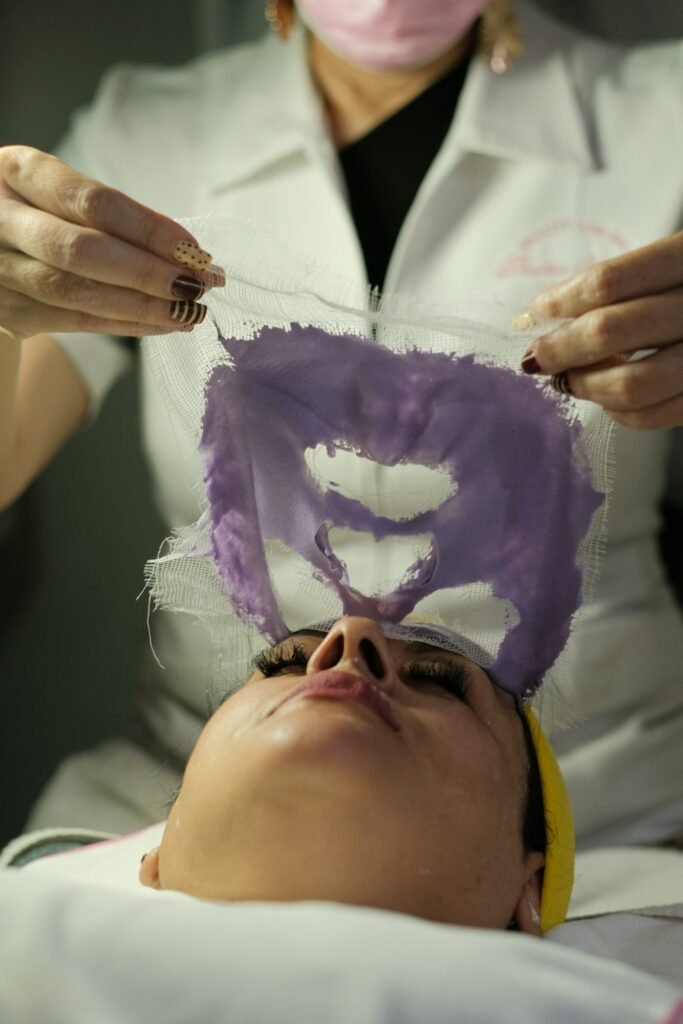
HIFU is a non-invasive, non-surgical cosmetic treatment that uses focused ultrasound energy beneath the skin, most often talked about for skin tightening and lifting. It suits some people and not others, results vary, and it’s no substitute for a proper consultation. If you’re curious, the best next step is to talk it through with a qualified practitioner who’ll give you a realistic, individual picture rather than a sales pitch.
—
Written by a SKIN13 / VTCT-accredited laser and skin trainer, on behalf of Contour Group. Contour Group supplies professional skin and body machines to UK salons and clinics, together with accredited training. This article is general information for clients, not medical advice — always speak to a qualified practitioner, and your GP where appropriate, about your own treatment.