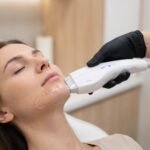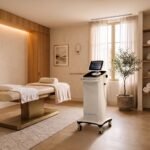
A hydrafacial-style machine (often called hydradermabrasion) cleanses, exfoliates and hydrates the skin in one multi-step facial, and it’s one of the most searched skin devices in the UK. For salons it’s a strong repeat-visit, add-on-friendly line — but choose on client fit, running costs and support, not just the headline. Results vary.
Of all the skin machines owners ask us about, this is the one with the biggest search demand behind it — so it’s worth getting the decision right. Here’s an honest, peer-to-peer guide to what actually matters when you buy one.
A quick, honest note on the name. “HydraFacial” is a specific company’s registered trademark for their branded device and treatment. Plenty of salons search that term generically, but the wider category is usually called hydradermabrasion or a multi-step “hydra” facial. This guide is about choosing that type of machine for your salon — not the trademarked brand specifically. Describe your own service accurately and avoid implying you offer a brand you don’t.
What does a hydrafacial-style machine actually do?
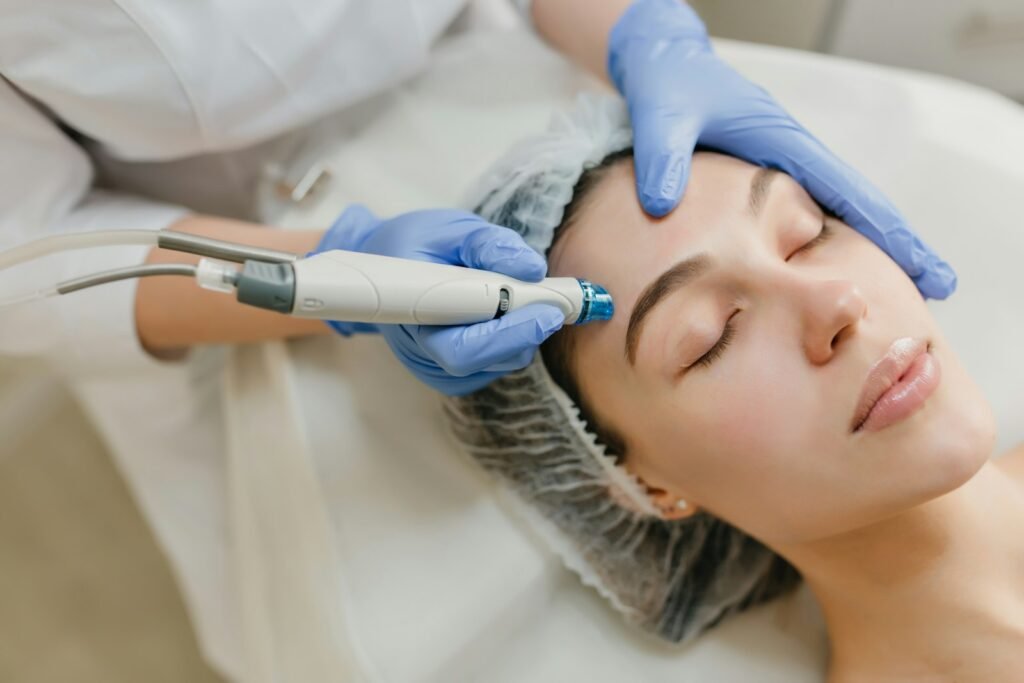
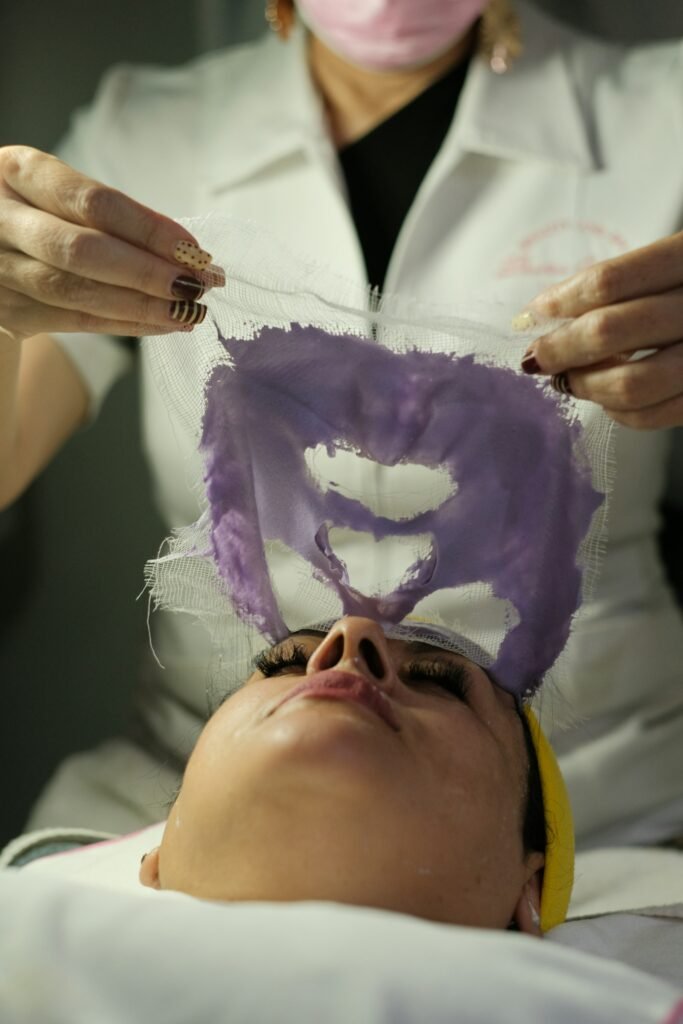
These machines combine several steps into one facial — typically cleansing, exfoliation, extraction and infusing the skin with serums, often using water or a vacuum-based system rather than manual extraction. Clients like that it’s a comfortable, “no downtime” treatment, which is part of why it books and rebooks well.
For a salon, the appeal is practical:
- It’s an add-on and standalone service — it slots alongside existing treatments and can be bundled.
- It suits a broad client base, which helps utilisation.
- It’s repeat-visit by nature, supporting regular rebookings rather than one-offs.
What should I look for when buying one?
Once you know your clients want it, weigh these:
- The steps and handpieces — what the machine actually does in one treatment, and whether that matches the service you want to sell.
- Consumable costs — serums, tips and solutions add up per treatment and directly affect your margin. Ask the cost per facial, not just the machine price.
- Ease and speed of use — how quickly your team can deliver a consistent treatment, which affects throughput.
- Warranty and UK servicing — downtime is lost income; ask about response times.
- Training and support — who gets your team confident and consistent with it.
Be wary of superiority marketing (“the most advanced facial machine”) — it’s not a spec. And treat “FDA cleared” or “CE marked” as regulatory status only: FDA clearance is a US regulatory status, not a UK efficacy guarantee, and neither tells you whether a machine will suit your salon.
What revenue lines does it open up?
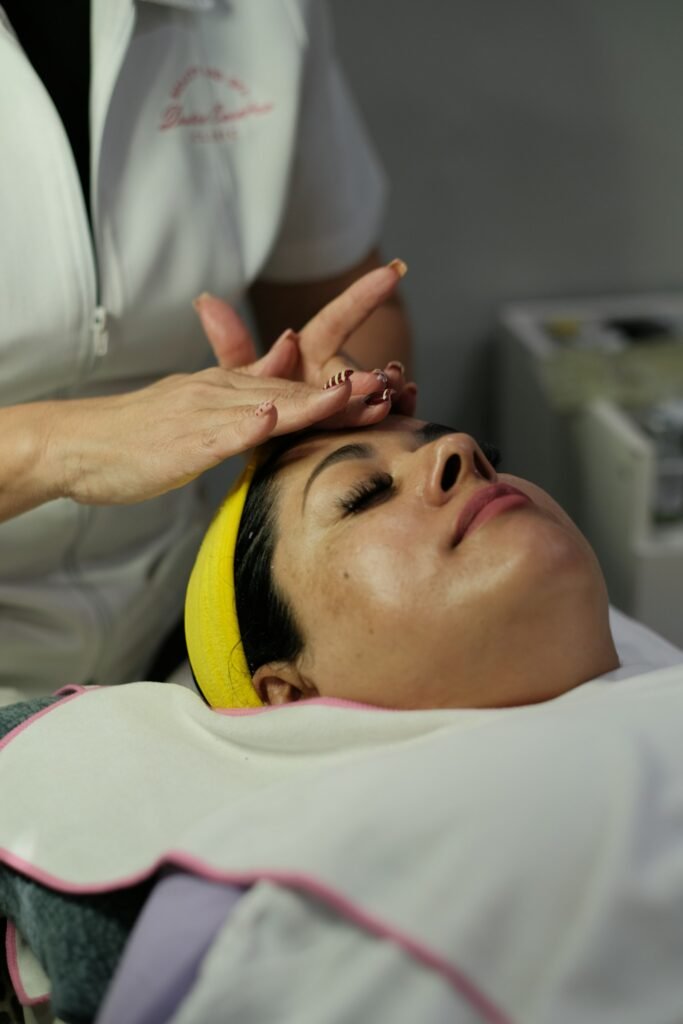
A hydra-style facial can support several bookable services from one machine — a signature multi-step facial, targeted add-ons layered onto other treatments, and course or membership packages for regular skin maintenance. Because it appeals to a wide range of clients and rebooks naturally, it’s often a sensible skin line for salons wanting steady utilisation rather than a single high-ticket hit.
That said, a machine only earns when it’s booked. The revenue depends on your pricing, how full the diary gets and your local demand — so work the numbers honestly with the ROI and payback guide before you commit. For a real, named salon’s experience, see our case studies. Results vary.
How much does a hydrafacial-style machine cost?
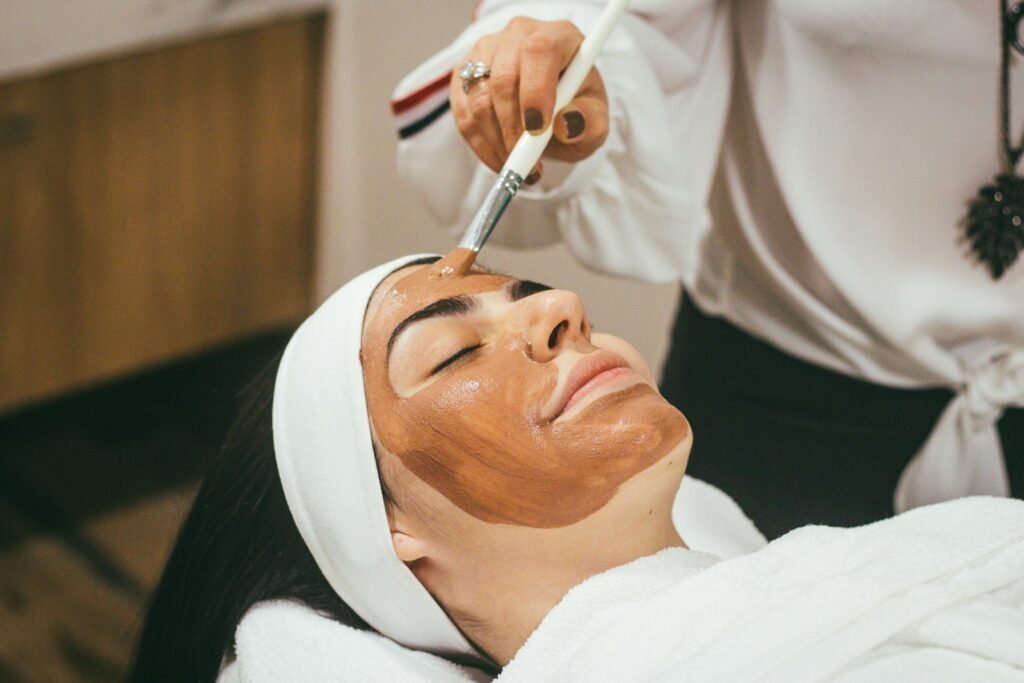
Expect a professional system to be a considerable investment, with the exact figure depending on the platform, the number of functions and what’s included. Just as important is the cost per treatment from consumables — a cheaper machine with expensive tips and serums can work out dearer over a year. Factor both in.
Many salons spread the cost with finance so the machine earns while it’s paid off. If you do, ask for the full representative example — APR, total payable and term. Finance is subject to status and affordability.
Do I need a qualification to offer these facials?
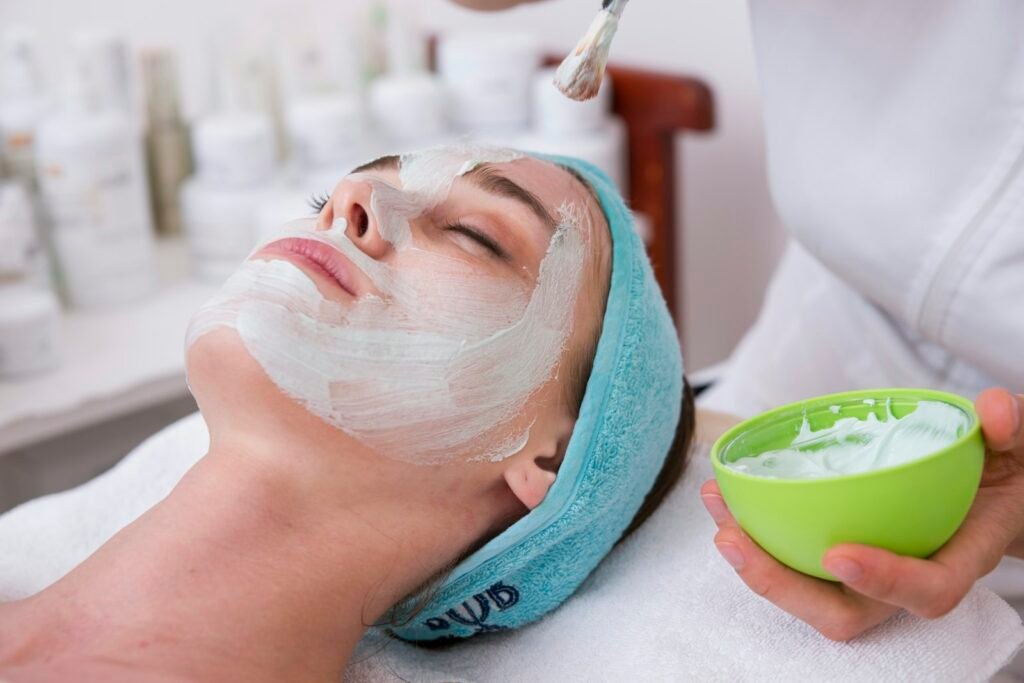
Requirements vary by treatment depth and local rules, and the regulatory picture for non-surgical skin treatments is tightening. England’s new licensing regime (the RAG framework) is rolling out across 2026–27, with qualification and competence central to it. (Checked against GOV.UK and House of Commons Library briefing CBP-10331 on 2 September 2026: the framework was confirmed in the government’s consultation response of 7 August 2025; the promised further consultation and final regulations were still awaited, and no licensing scheme was yet in force.) This applies to England; the devolved nations differ. This is general information, not legal advice — confirm current requirements on GOV.UK before you invest.
Choosing with support behind you
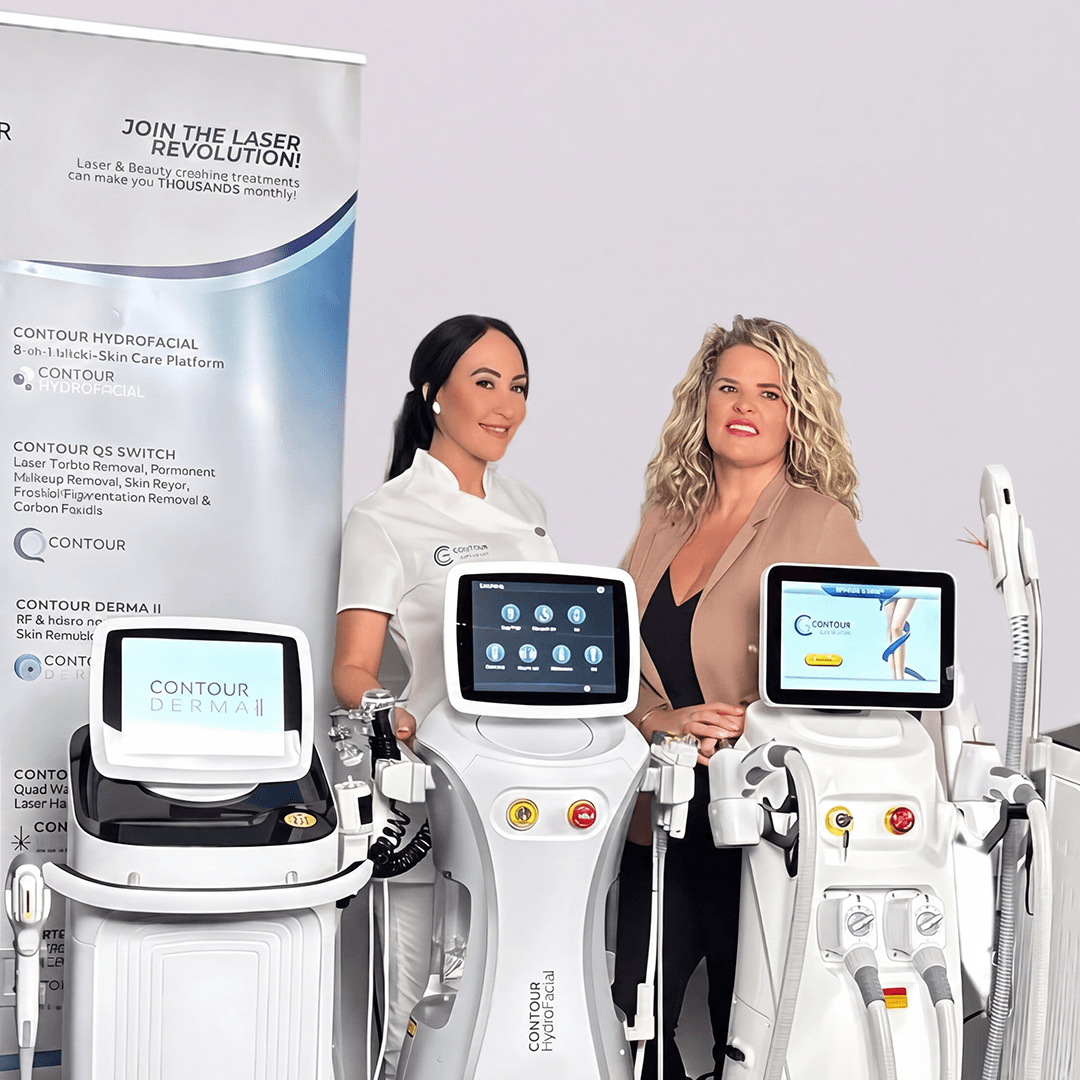
The right machine is the one that fits your clients, your margins and your team — and the package around it matters as much as the box. Our HydroFacial 8-in-1 comes with accredited VTCT qualifications (via SKIN13), manufacturer training for up to five staff, 1:1 coaching with Katie Godfrey (KG) to price and market the line, FCA-regulated finance and after-sale support.
See our HydraFacial and skin machines for salons, or book a call and we’ll help you work out whether it’s the right skin line for your salon.
Written by Janice Hilton, founder and managing director of Contour Group and a former salon owner.