An AI skin analysis machine photographs a client’s skin and maps cosmetic features — surface texture, visible pigmentation, pores, fine lines and areas of redness — to structure a consultation. It’s a communication and planning tool, not a diagnosis, and its real value is helping clients understand their skin and commit to a treatment plan.
If you already run a busy salon, you know the consultation is where treatment plans are won or lost. A skin analysis machine gives that conversation a visual backbone. This guide — refreshed for 2026 — explains what these devices do, what they don’t, and whether one earns its place in your consultation room.
What does an AI skin analyser actually do?
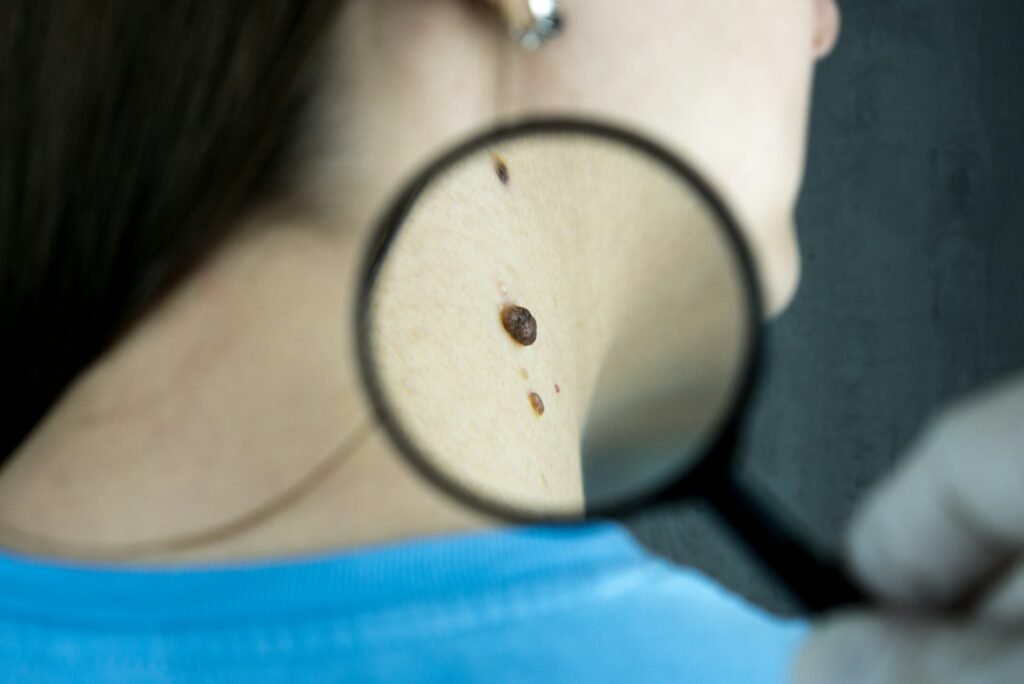
At its simplest, an AI skin analyser takes a controlled, well-lit set of photographs and uses software to highlight cosmetic features of the skin. Depending on the device, that can include:
- Surface texture and the appearance of pores
- Visible pigmentation and uneven tone
- Fine lines and the look of skin ageing
- Areas of visible redness
- A side-by-side view over time to show change between visits
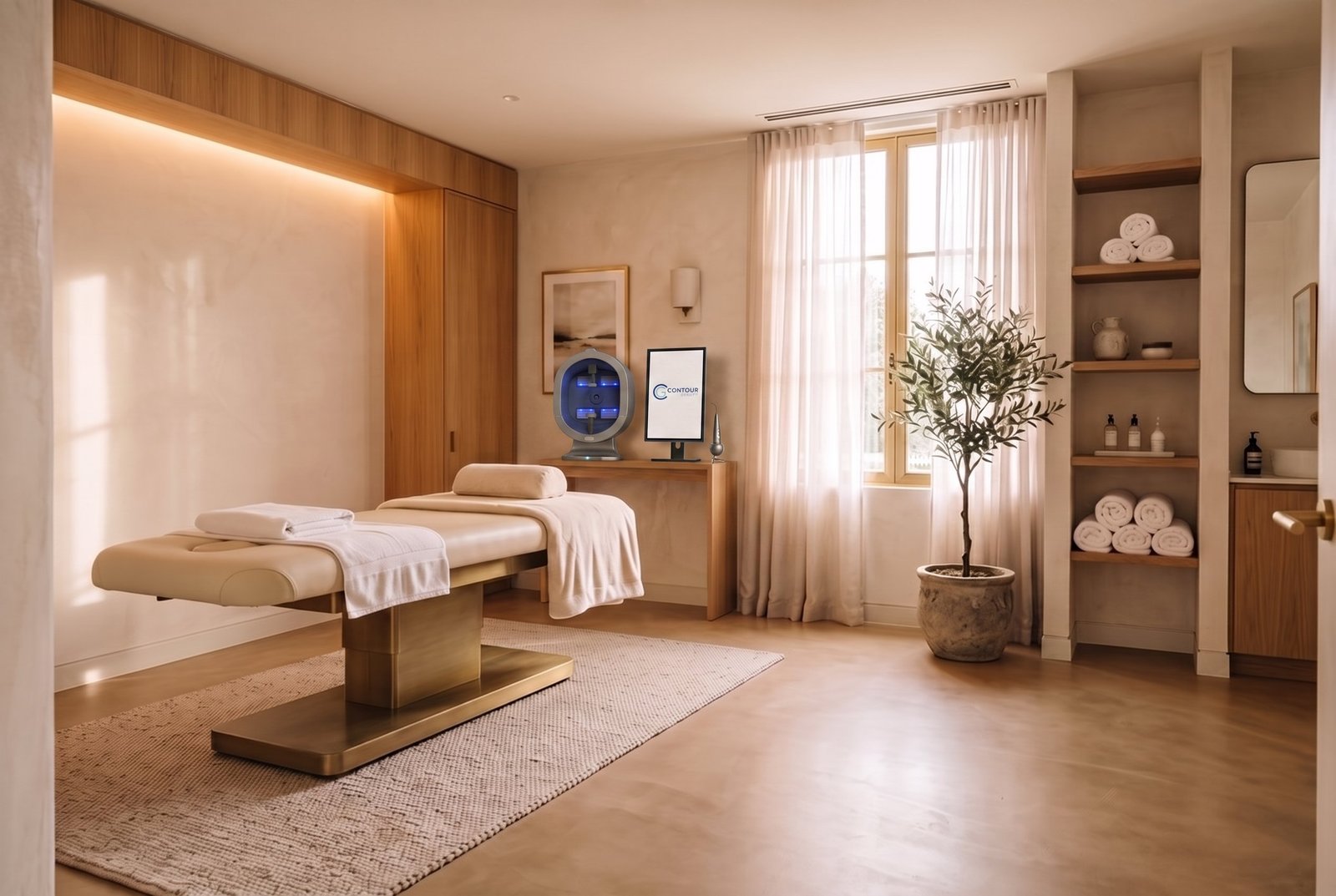
Contour’s Contour Sense AI skin analyser is built for exactly this: turning “your skin looks a bit uneven” into a clear, shared picture the client can see for themselves. That shift — from your opinion to a visual both of you are looking at — is what tends to move a consultation forward.
Is a skin analyser a diagnostic or medical device?

This matters, so let’s be plain. An AI skin analyser used in a salon is a cosmetic consultation tool. It highlights the appearance of skin features to help plan cosmetic treatments. It does not diagnose medical skin conditions, and it must never be presented — to a client or in your marketing — as detecting, screening for or ruling out anything medical, including skin cancer.
If a client shows you something that looks like it needs medical attention, the right response is always to refer them to a GP or dermatologist, not to run an analysis. Keeping that line clear protects your clients and keeps you on the right side of advertising rules. When in doubt, describe what the tool does (maps cosmetic features), not what it “detects”.
How does it strengthen the consultation?
A good consultation does three jobs: it builds trust, it educates the client, and it leads to a plan. A skin analyser helps with all three.
- It makes the invisible visible. Clients often can’t see what you can. A screen showing the areas you’re describing turns an abstract recommendation into something concrete.
- It supports honest, tailored plans. Instead of selling a single treatment, you can map a sensible course across your menu — a facial line here, a resurfacing option there — matched to what the client actually wants to change.
- It shows progress over time. Re-analysing at review visits lets clients see change between sessions, which supports retention and rebooking. Always frame this as cosmetic change that varies from person to person, not a guaranteed outcome.
- It levels up how your salon feels. A structured, visual consultation signals “serious, professional aesthetics business” — which is exactly the positioning most diversifying salons are reaching for.
Will a skin analysis machine actually lift bookings?

It can, but not by magic — by making your consultations clearer and your treatment plans easier to say yes to. The mechanism is simple: clients who understand why a treatment is recommended, and can see the feature it targets, tend to be more confident bookers. The analyser doesn’t replace your expertise; it gives it a visual voice.
We won’t put a number on it for you. Results vary by salon, client base and how consistently the tool is used at the point of consultation.
If you’d like to think about how a consultation tool sits alongside the treatment devices it supports, our guide to choosing an aesthetic machine walks through building a coherent menu rather than a shelf of gadgets.
What should I look for when buying one?
- Consistency of capture. Reliable lighting and positioning matter — inconsistent images make the “over time” comparison meaningless.
- Clear, client-friendly output. The report should be easy for a non-expert to understand at a glance.
- Sensible data handling. You’ll be capturing images of clients, so confirm how images are stored and that you can meet UK GDPR obligations (consent, storage, retention).
- Fit with your treatment menu. The analyser is most useful when it points toward treatments you actually offer.
- Training and support. A tool only pays back if the team uses it confidently at every consultation.
Does it fit the wider package?
A skin analyser is often a supporting line rather than a headline device — but it works best inside a joined-up offer. Every Contour machine comes as the complete package:
- The machine — the right device for your client base.
- Free accredited qualification — VTCT training, delivered by SKIN13.
- Free manufacturer training — for up to five members of staff.
- 1:1 business coaching — with Katie Godfrey (KG), who can help you build the analyser into your consultation flow.
- FCA-regulated finance — spread the cost (subject to status).
- After-sale support — from a team that’s run salons themselves.
The honest next step
If your consultations feel like they rely too much on “trust me”, a skin analyser can give them structure and give clients confidence. See what Contour Sense does on our skin analysis page, or book a demo and we’ll show you how it slots into a normal consultation — no pressure, no overselling.
—
Written by Janice Hilton, founder and managing director of Contour Group and a former salon owner.