For salon owners: this is a client-education resource you’re welcome to share with your own customers. It’s written for the person considering treatment, not for the trade, and it’s deliberately calm and balanced — no scare stories, no guarantees. Use it to reassure clients and to show you take safety seriously.
In short: laser hair removal is a well-established cosmetic treatment that’s widely offered in the UK. As with any cosmetic procedure, it works best and most safely when it’s carried out by a trained, qualified practitioner who takes your medical history, does a consultation and patch test, and gives you proper aftercare. Suitability varies from person to person, so a professional assessment matters.
“Is it safe?” is exactly the right question to ask before any treatment — and a good salon will be glad you asked. Below is a straight, non-alarmist explanation of what makes for a safe experience and what to look for, so you can make an informed decision with your practitioner.
How does laser hair removal work?
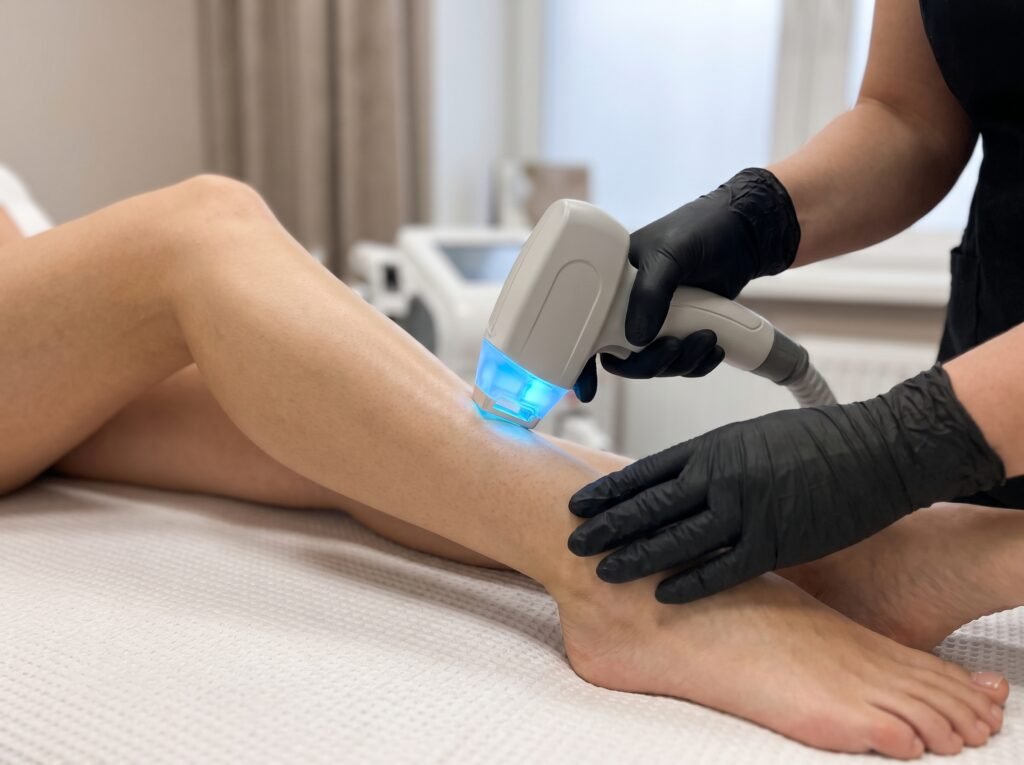
Laser hair removal uses light energy absorbed by the pigment in the hair, targeting the follicle to reduce future hair growth. It’s a cosmetic treatment, not a medical one, and it’s carried out on the surface of the skin.
Because it involves energy-based equipment, the two things that most influence a safe, comfortable experience are who is operating the machine and whether the treatment is right for your skin — which is why the sections below focus there.
What makes for a safe treatment?
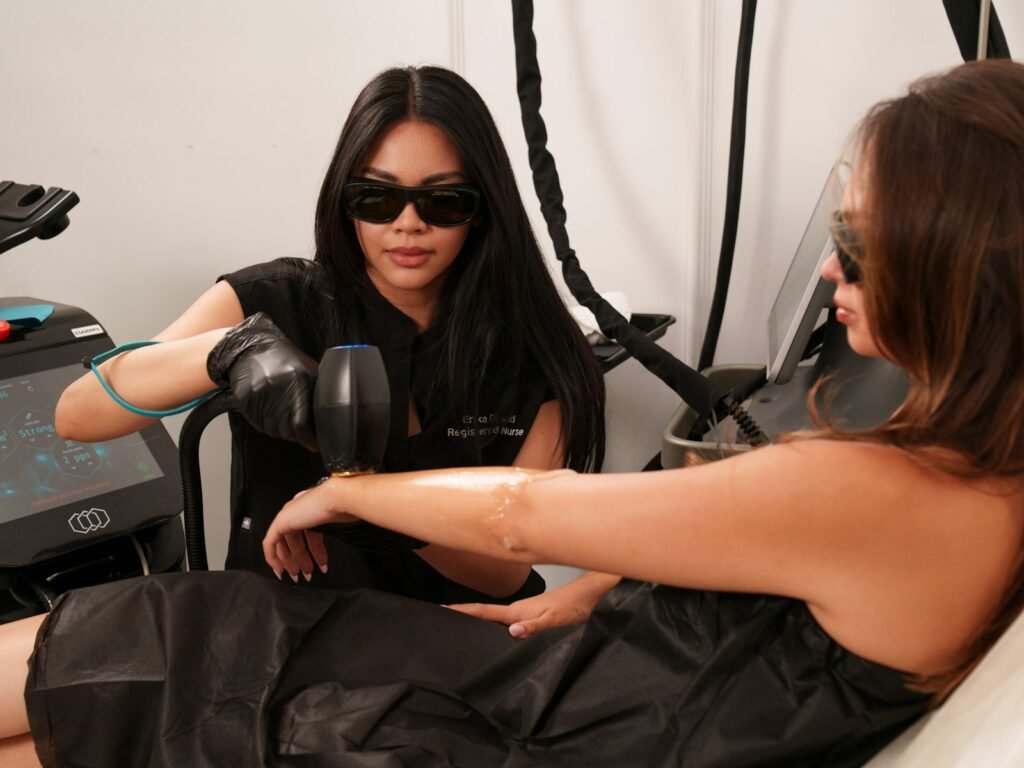
Rather than a list of things to worry about, here’s what a well-run, safety-first treatment looks like. Ideally your provider will:
- Hold recognised training and qualifications. In the UK, the established route for laser and IPL treatments is a VTCT Level 3 and Level 4 qualification — a genuine accredited qualification, not a one-day attendance certificate.
- Take a full consultation and medical history before treating you, so anything that might make the treatment unsuitable is picked up.
- Carry out a patch test before your first full session, to see how your skin responds.
- Use well-maintained, professional equipment and appropriate eye protection for you and them.
- Give you clear aftercare advice and be contactable if you have any questions afterwards.
If a provider skips these steps, that’s a reason to pause — not because the treatment is inherently unsafe, but because these steps are how safety is looked after.
Why is a patch test so important?
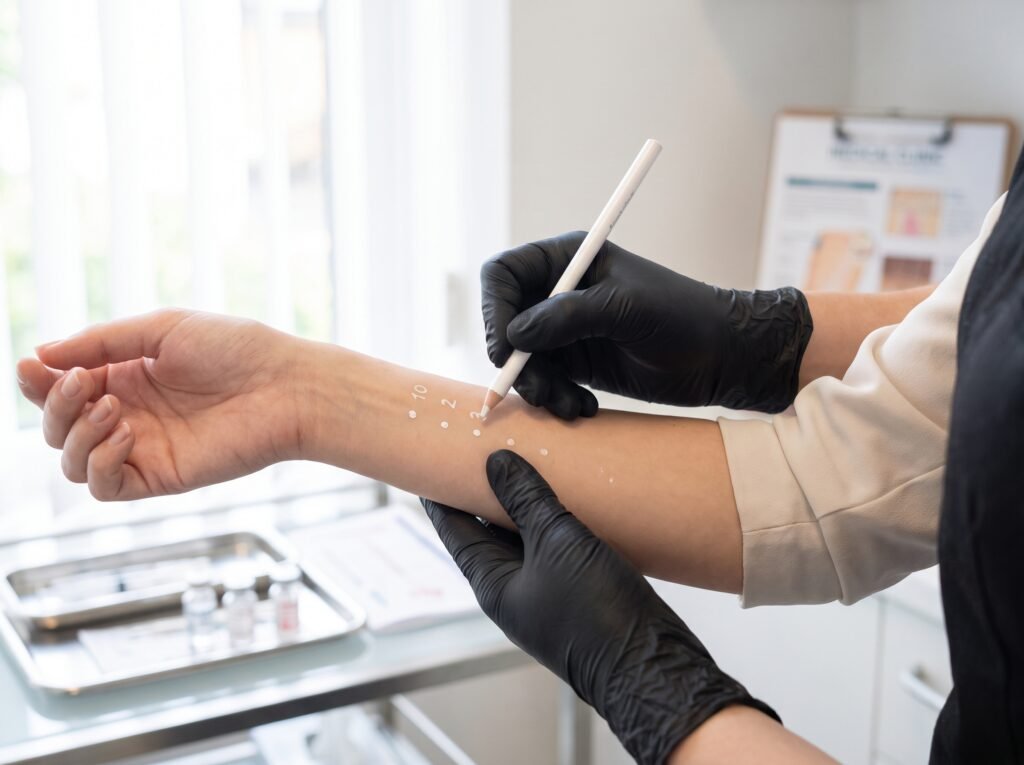
A patch test treats a small area first and gives your skin time to react before you commit to a full session or a course. It helps your practitioner check that the settings suit your skin, and it gives you a chance to feel the treatment on a small scale. It’s a simple, standard safeguard — and one you should always expect to be offered.
Are there side effects?

As with most cosmetic treatments, some temporary, minor reactions are commonly described — for example mild redness or warmth in the treated area shortly afterwards, a bit like a light sunburn sensation, usually settling on its own. Your practitioner should explain what’s normal for your skin, what aftercare to follow, and what to do in the less common event that something doesn’t settle as expected.
We’re deliberately not going to hand you an alarming list here, because the responsible place for that conversation is your consultation — where a qualified practitioner can talk through your individual circumstances, medical history and skin. That’s genuinely the safest and most useful place to get specifics.
Is it suitable for everyone?

Not necessarily — and that’s normal for cosmetic treatments. Suitability can depend on your skin, your hair, your medical history and other individual factors, which is exactly what a consultation is for. Some people are advised that the treatment isn’t right for them, or not right at a particular time, and a good practitioner will tell you honestly rather than treat regardless. If you’re pregnant, taking certain medications or have a skin condition, mention it — your practitioner will factor it in, and may suggest speaking to your GP.
How do I choose a safe provider?

A few practical checks stack the odds in your favour:
- Ask about the practitioner’s training and qualifications (VTCT training for laser/IPL is the recognised route).
- Check they carry out a consultation and patch test as standard.
- Ask how their equipment is maintained and whether eye protection is provided.
- Look for a provider who is happy to answer questions and doesn’t pressure you into booking.
- Read genuine reviews and ask people you trust.
Questions worth asking your salon

- What qualifications and training does the practitioner hold?
- Will you take my medical history and do a patch test first?
- What side effects are normal, and what should I watch for?
- What aftercare do you recommend?
- What happens if I have a concern after my session?
The honest bottom line
Laser hair removal is a widely used, well-established cosmetic treatment, and for most people it’s a routine part of a salon visit. “Safe” isn’t a box that’s ticked once — it’s the result of a qualified practitioner, a proper consultation, a patch test and good aftercare. Choose a provider who does all four, be open about your medical history, and ask every question you need to before you decide.
—
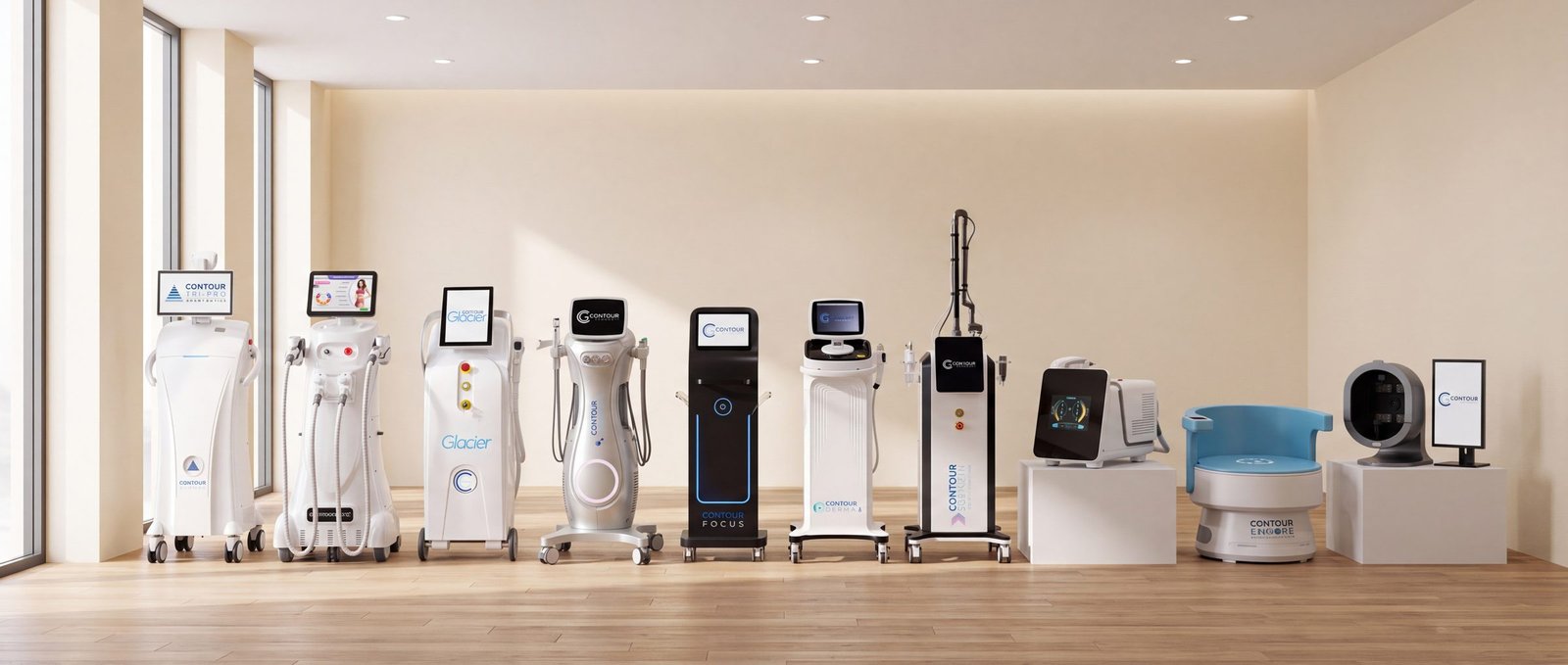
Written by a SKIN13 / VTCT-accredited laser and skin trainer, on behalf of Contour Group. Contour Group supplies professional laser and skin machines to UK salons and clinics, together with accredited VTCT training. This article is general information for clients, not medical advice — always speak to a qualified practitioner, and your GP where appropriate, about your own treatment.