A diode laser is a single-wavelength device purpose-built for hair removal and generally suits a dedicated, higher-throughput line across a wider range of skin tones. IPL is broad-spectrum light that can cover several skin services but is more of a generalist. For a serious hair-removal line, most salons choose diode. Results vary by client and machine.
It’s the question we get asked most: “diode or IPL?” Owners want the tech decision made simply, so here it is in plain English — what each one actually is, who each suits, and how to pick for the salon you’re actually running.
What’s the difference between diode and IPL?
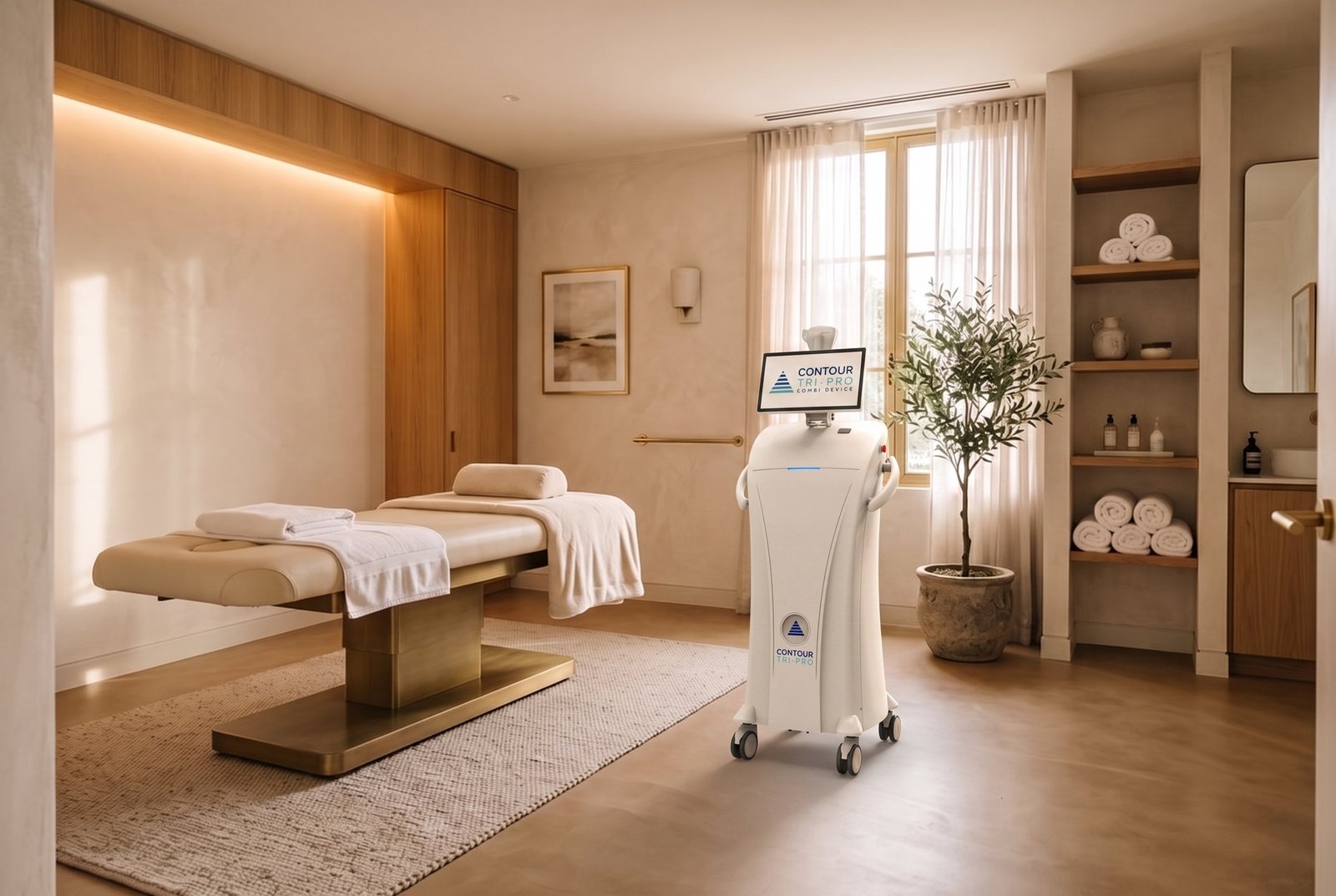
The core difference is how they produce light.
- A diode laser emits a single, focused wavelength (or a small set of them) tuned for hair removal. That focus is why it’s often the more efficient, comfortable choice for a dedicated hair-removal service.
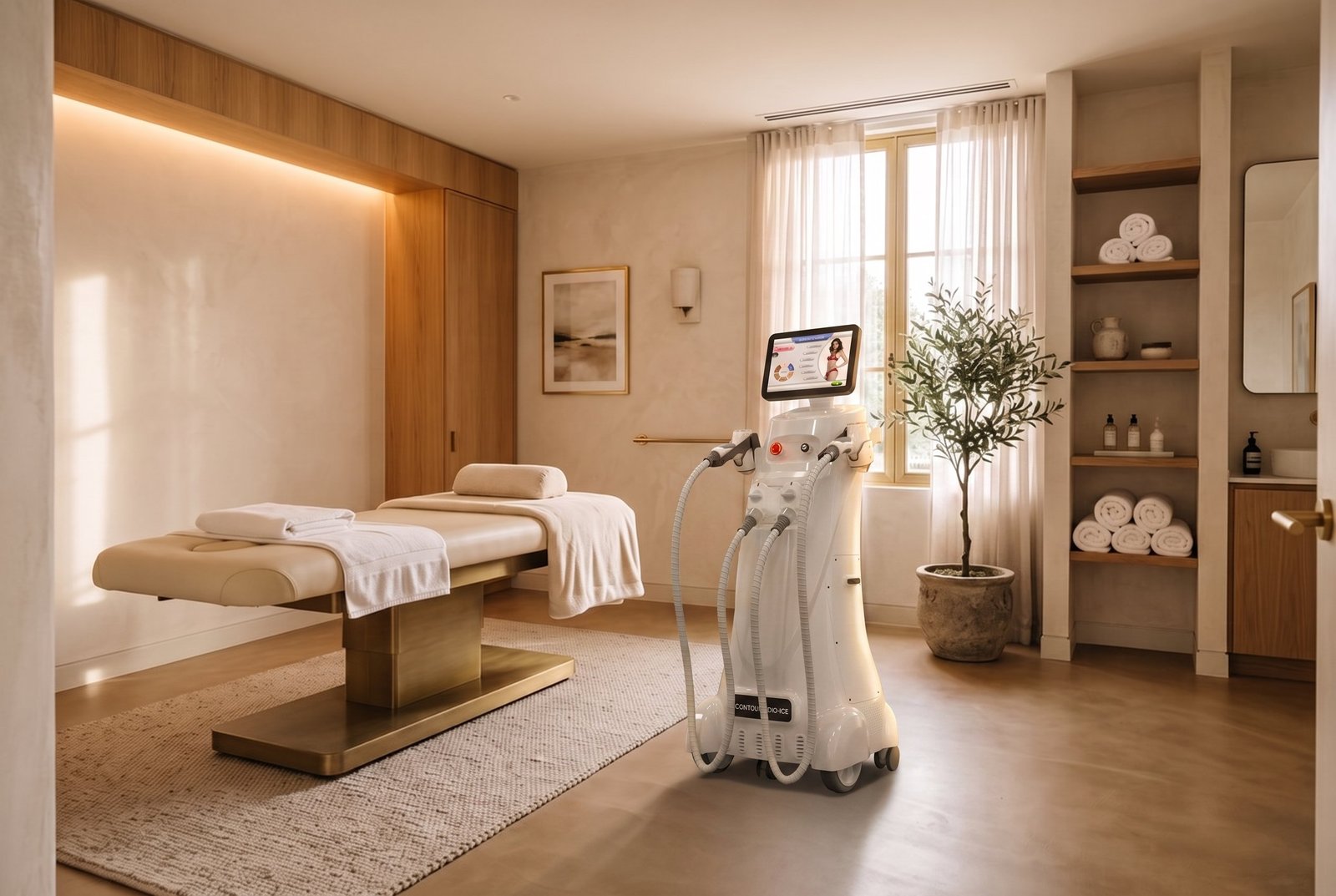
- IPL (intense pulsed light) emits a broad spectrum of light across many wavelengths, filtered for the job. Because it’s broad-spectrum, one IPL device can be used for several skin treatments — but it’s less specialised for hair specifically.
Neither is “the winner”. They’re built for different jobs, and the right pick depends on your clients and your plan.
Diode vs IPL: the buyer’s decision table
| Factor | Diode laser | IPL |
|---|---|---|
| Light type | Single wavelength, focused | Broad spectrum, filtered |
| Built primarily for | Hair removal | Multiple skin treatments |
| Skin-tone range | Wider, with the right wavelengths/settings | Historically narrower; system-dependent |
| Session speed | Often faster on larger areas | Varies |
| Best salon fit | A dedicated, bookable hair-removal line | A general skin device doing several jobs |
| How it reads to clients | “Specialist laser hair removal” | “General skin/light treatments” |
| Consumables/running cost | Ask per platform | Ask per platform (lamps) |
Treat this as a starting framework, not a verdict — specifics vary between machines, and any claim about who can be treated should be checked against the individual system’s evidence and your own qualification.
Which should a salon buy?
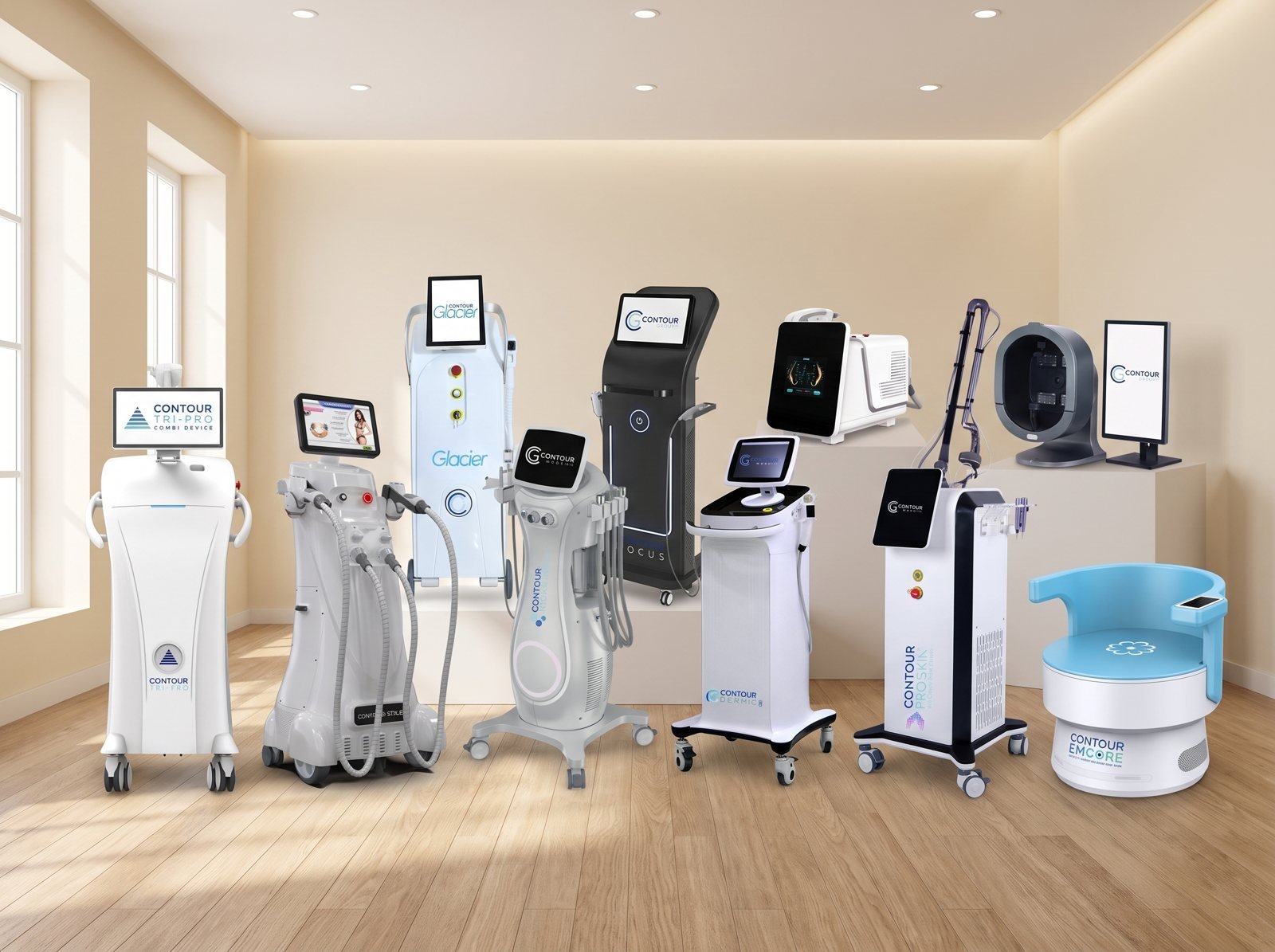
Match the technology to your goal:
- Choose a diode laser if hair removal is the line you want to build — a proper, repeat-visit service you’ll market and fill the diary with, across a broad client base.
- Consider IPL if you want one device to dabble across a few skin services and hair removal is only part of the picture.
For most owners adding their first dedicated hair-removal line, a diode system is the more natural fit because it positions you as a specialist and tends to handle a wider client base. But the honest answer still depends on who walks through your door — which is why we’d rather talk it through than guess.
Does the technology decide whether it pays back?
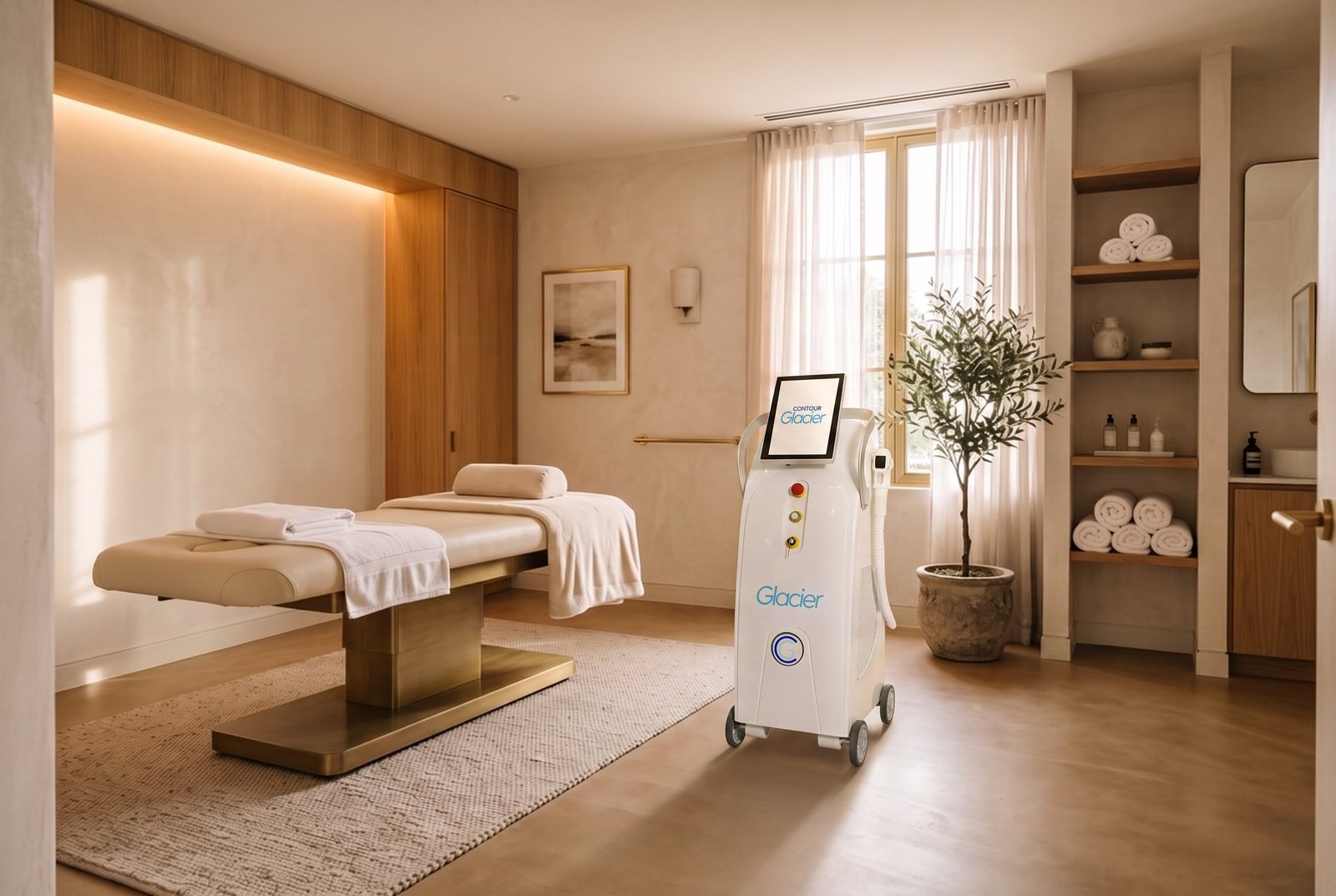
Not on its own. Whichever you choose, payback comes from utilisation (how full the diary is), your pricing and your local demand — not from the badge on the machine. A diode laser sitting idle earns exactly as much as an idle IPL: nothing. That’s why the ROI and payback guide matters as much as the tech comparison, and why we build coaching on pricing and marketing into every purchase.
For a real, named salon’s experience, see our case studies.
A note on qualifications and certifications

To offer laser or IPL you’ll generally need a recognised qualification (commonly VTCT training in the laser/skin/IPL lane) and often a local council registration — and England’s new licensing regime for non-surgical treatments is rolling out across 2026–27, with competence at its core. (Checked against GOV.UK and House of Commons Library briefing CBP-10331 on 2 September 2026: the framework was confirmed in the government’s consultation response of 7 August 2025; the promised further consultation and final regulations were still awaited, and no licensing scheme was yet in force.) This applies to England; the devolved nations differ. This is general information, not legal advice.
Separately, ignore “FDA cleared” as a buying reason on either technology — FDA clearance is a US regulatory status, not a UK efficacy guarantee.
How to make the decision with confidence
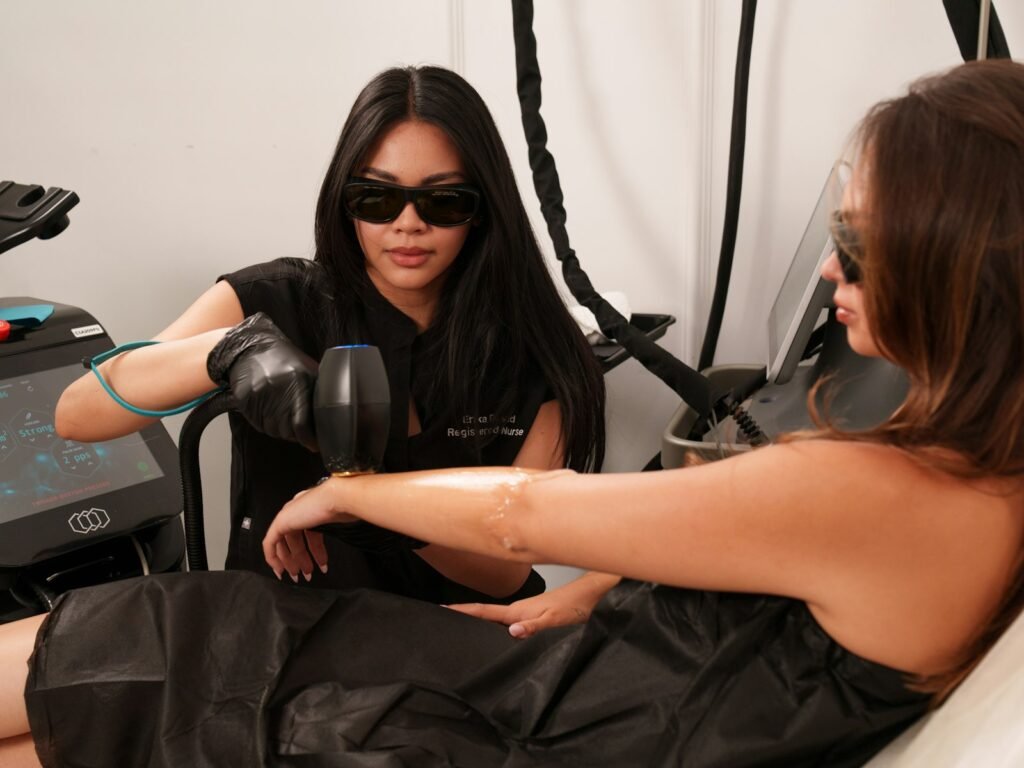
The device is one line in a bigger decision. Every Contour laser comes with accredited VTCT qualifications (via SKIN13), manufacturer training for up to five staff, 1:1 coaching with Katie Godfrey (KG), FCA-regulated finance and after-sale support — so you’re not choosing a technology in the dark.
Compare the options on our laser hair removal machines page, or book a call and we’ll help you land on the right one for your client base.
Written by Janice Hilton, founder and managing director of Contour Group and a former salon owner.