Adding laser hair removal starts with choosing a professional laser hair removal machine that fits your clients, getting properly qualified to use it, and pricing the service so it pays back the investment. For most salons a diode laser is the sensible first step — but the machine is only part of the decision. Results vary.
We’ve sat where you’re sitting. Before Contour, we ran salons ourselves — so this guide is the one we wish we’d had: what it actually costs, what you need to be allowed to offer it, and how to make sure the machine gets booked instead of gathering dust in the corner.
Why add laser hair removal to your salon?
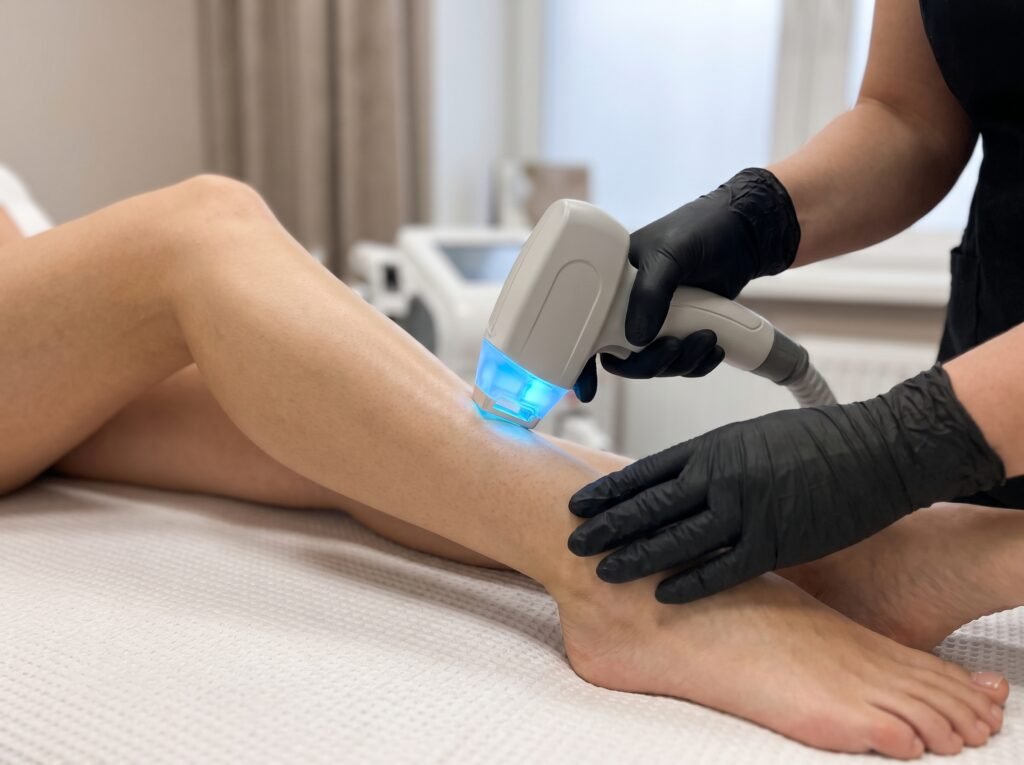
Laser hair removal is one of the most in-demand salon-legal treatment lines in the UK, and it’s a natural next step if your core menu (waxing, brows, facials) has plateaued. It’s a repeat-visit service — clients typically return for a course of sessions rather than a one-off — which is what makes it attractive as a revenue line rather than a one-time sale.
Two honest caveats before you get excited:
- Demand near you matters more than national trends. If clients are already asking, or a rival two doors down has started advertising it, that’s your real signal.
- A machine only earns when it’s booked. Utilisation — how full your laser diary is — decides whether this pays. That’s a marketing and pricing job, not just a kit decision.
What does a professional laser hair removal machine cost?
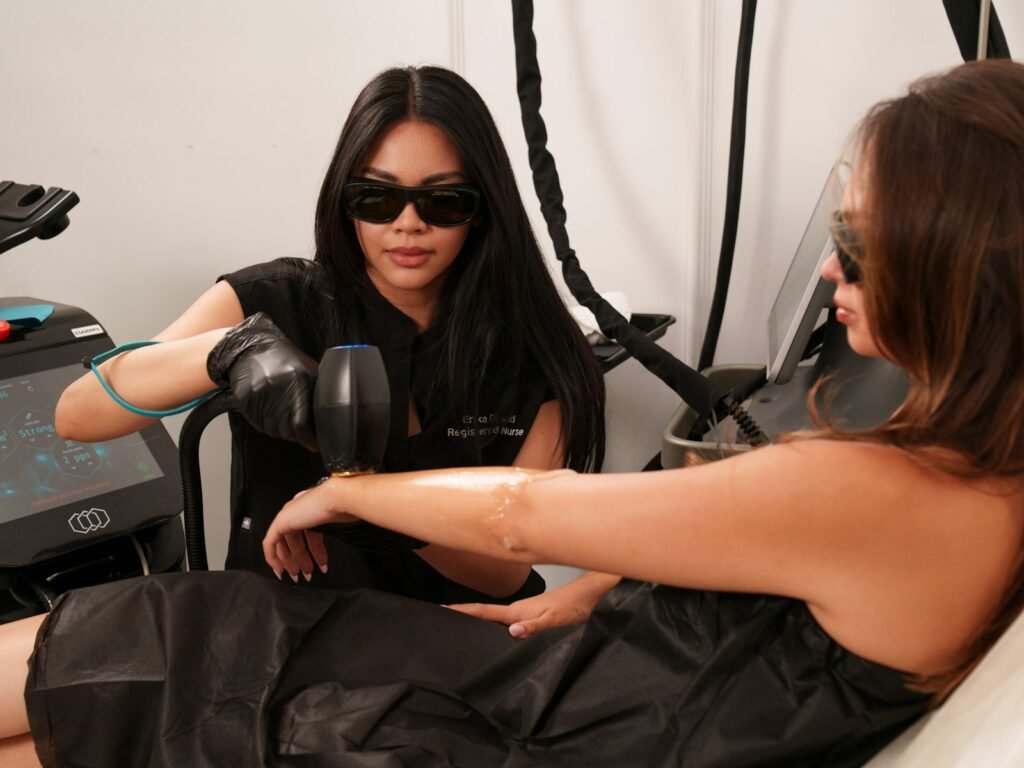
Professional systems are a five-figure purchase — a genuinely big commitment against a typical salon turnover. Rather than quote a headline price (the right figure depends on the platform, warranty and what’s bundled in), it’s more useful to think in three buckets:
- The machine itself — diode or IPL, single or multi-wavelength, plus warranty and servicing.
- Getting legal to use it — your qualification and any local licence (see below).
- Making it pay — training your team, marketing the new line, and pricing a course correctly.
Many salons spread the cost with finance so the machine can start earning before it’s fully paid for. If you finance, ask for the full representative example, not just a monthly figure. Finance is subject to status and affordability.
Do I need a qualification for laser hair removal?
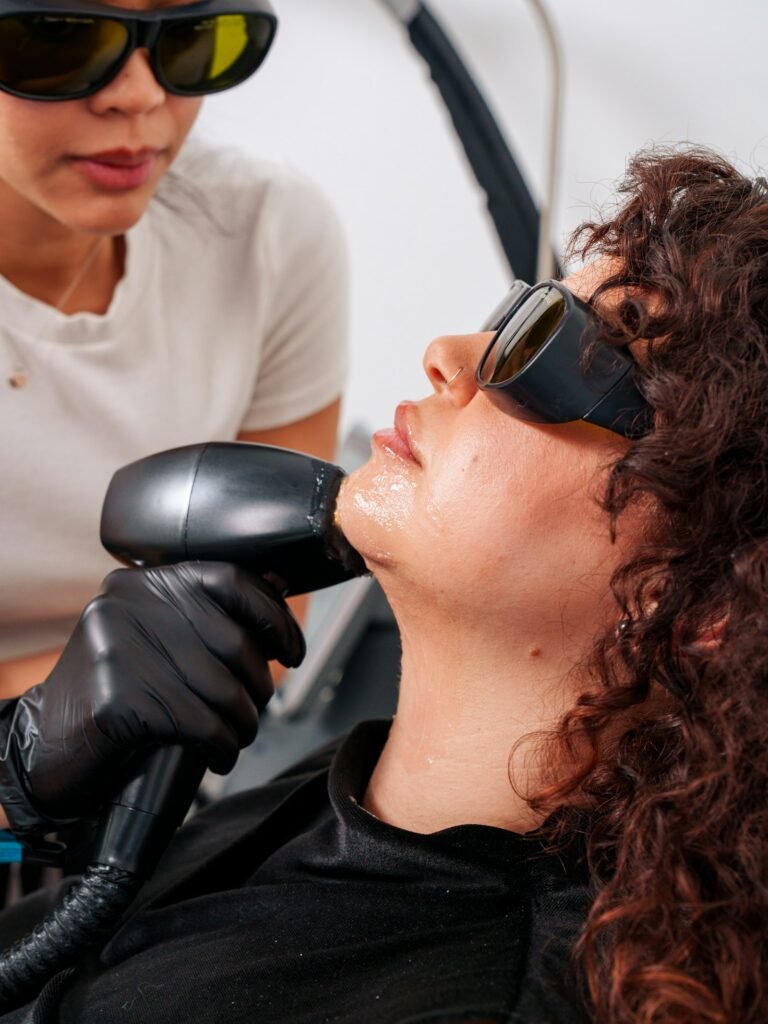
In most cases, yes — and this is where a lot of owners get caught out. To offer laser and IPL you’ll generally need a recognised qualification (commonly VTCT Level 3 and Level 4 in the laser/skin/IPL lane), and depending on where you trade you may also need a local council registration.
This is becoming more important, not less. England is introducing a new licensing regime for non-surgical cosmetic treatments (the “RAG” green/amber/red framework), with rollout expected across 2026–27, and demonstrable qualification and competence sit at the heart of it. (Checked against GOV.UK and House of Commons Library briefing CBP-10331 on 2 September 2026: the framework was confirmed in the government’s consultation response of 7 August 2025; the promised further consultation and final regulations were still awaited, and no licensing scheme was yet in force.) This applies to England; the devolved nations differ. Contour Group provides general information here, not legal advice — verify against current GOV.UK guidance before you invest.
The practical takeaway: don’t buy a machine you can’t get qualified and licensed to use. We build the accredited VTCT qualifications (delivered by our partner SKIN13) into every laser machine purchase for exactly this reason.
Which type of machine should I start with?
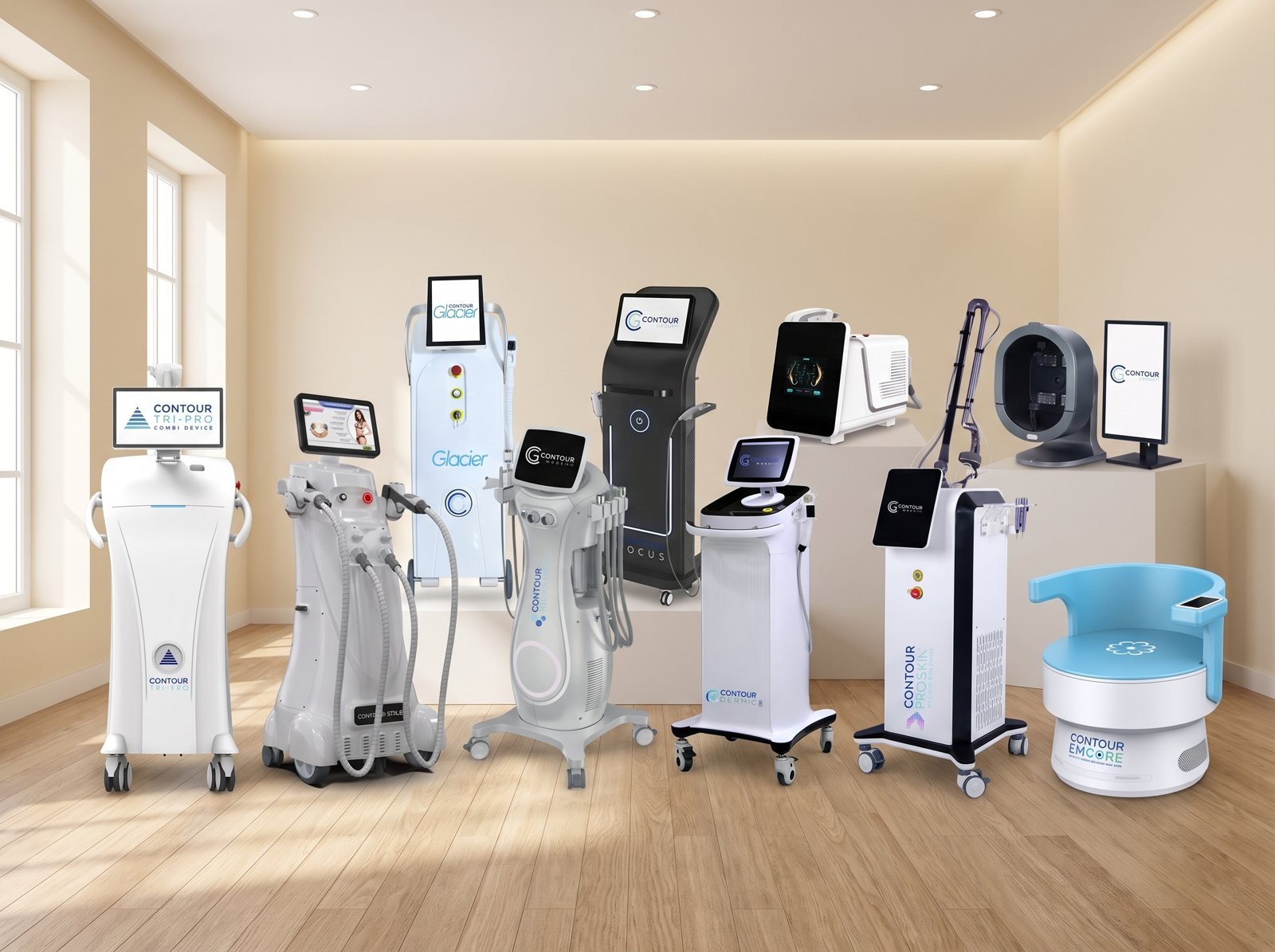
For a first laser line, the choice usually comes down to diode versus IPL. Neither is “better” outright — they suit different client bases.
| Diode laser | IPL | |
|---|---|---|
| What it is | A single-wavelength laser built for hair removal | Broad-spectrum intense pulsed light, used for several treatments |
| Best for | A dedicated, high-throughput hair-removal line | Salons wanting one device for several skin services |
| Skin-tone range | Wider range with the right wavelengths and settings | Historically narrower; depends on the system |
| Positioning | Reads as a specialist hair-removal service | Reads as a general skin device |
If your goal is a serious, bookable hair-removal line, most owners are better served by a dedicated diode system. We go deeper on this in our diode versus IPL comparison. Whatever you pick, match it to the clients you actually have.
How long before it pays for itself?

Payback depends on your prices, how full the diary gets and your local market — so anyone quoting you a guaranteed timeframe is guessing. The honest way to work it out is: realistic weekly bookings × your course price, set against the monthly finance or purchase cost. We walk through that maths properly in the ROI and payback guide.
For a real, named example of what one salon added after taking on this line, see our case studies. Results vary from salon to salon.
What’s included when you buy from Contour
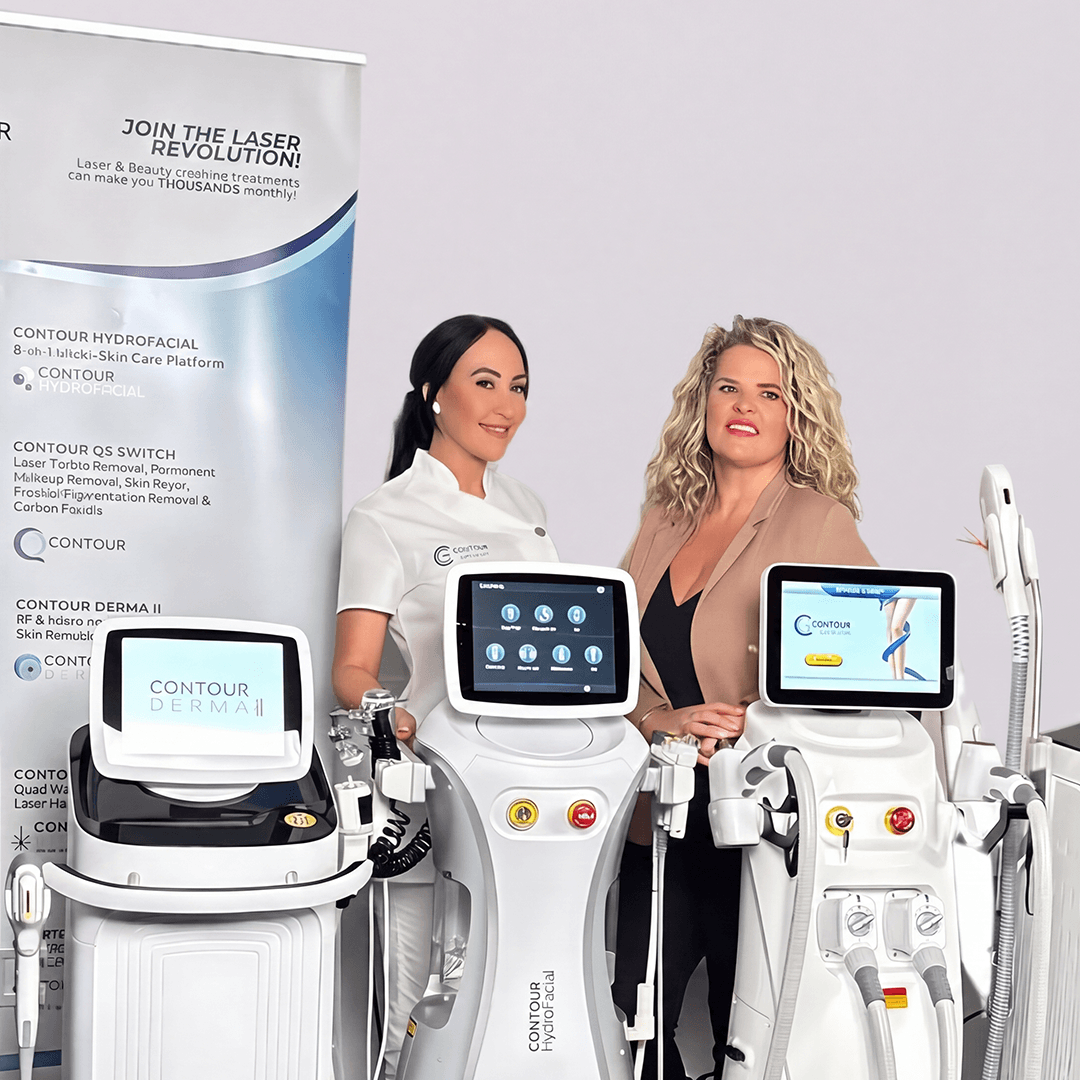
Every Contour machine comes as the complete package, not a box on its own:
- The machine — the right device for your client base.
- Free accredited qualification — VTCT training, delivered by SKIN13.
- Free manufacturer training — for up to five members of staff.
- 1:1 business coaching — with Katie Godfrey (KG), to help you price and market the line.
- FCA-regulated finance — to spread the cost (subject to status).
- After-sale support — from a team that’s run salons themselves.
Ready to add laser hair removal?

If you want to talk it through with people who’ve actually done it, the best next step is a no-pressure look at the options for your salon. See our laser hair removal machines for salons or book a demo — we’ll help you work out whether it’s the right first line for you, and if it isn’t, we’ll say so.
Written by Janice Hilton, founder and managing director of Contour Group and a former salon owner.