A tattoo removal machine for a salon is almost always a Q-switched (or picosecond) laser, which targets ink pigment across several sessions. For most salons the practical choice comes down to the wavelengths covered, spot size, service and support, and whether you’re licensed to use it — not the sticker price alone.
If you’re weighing up a tattoo removal machine to add to your salon, you’re probably somewhere between “clients keep asking” and “I don’t want to spend five figures on the wrong box.” We’ve sat in that chair. This guide walks through how the technology actually works, what genuinely matters when you buy, and the licensing and payback questions to settle before you sign anything.
How does a tattoo removal machine actually work?
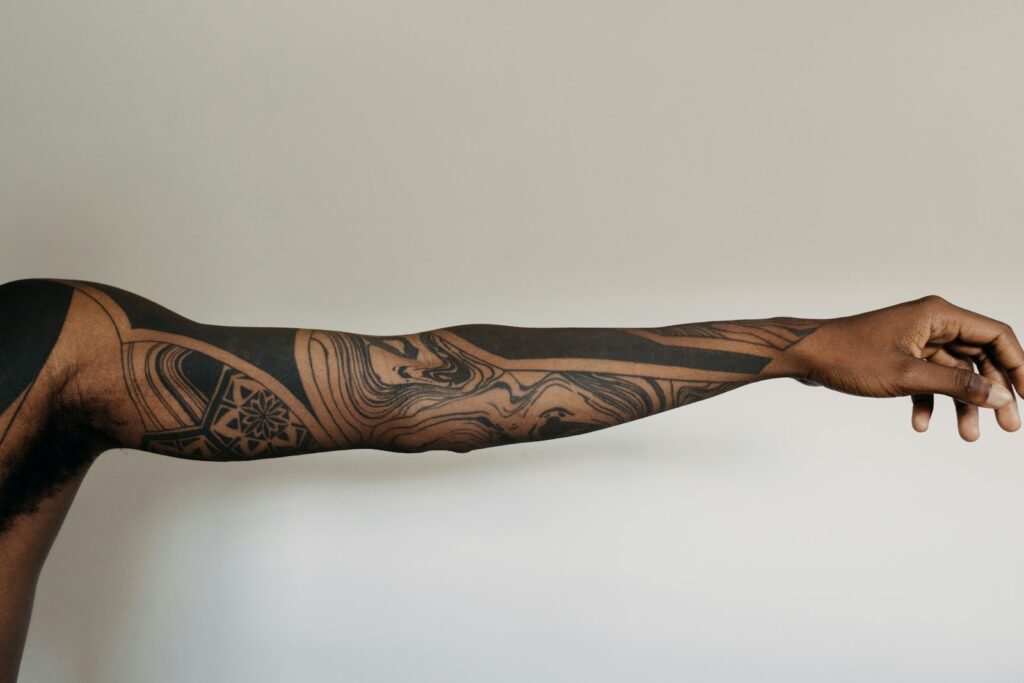
Laser tattoo removal works by sending very short pulses of light into the skin. The pigment absorbs the energy and breaks into smaller particles, which the body then clears over the following weeks. Because different ink colours absorb different wavelengths of light, the machine’s wavelength range is what decides which tattoos you can realistically treat.
Two families of machine dominate the salon market:
- Q-switched lasers — the long-established workhorse. They fire in nanosecond pulses and are the most common choice for salons adding tattoo removal. Contour’s Qs Tattoo & SPMU Removal line sits here.
- Picosecond (“pico”) lasers — fire even shorter pulses (trillionths of a second). They’re typically priced higher and marketed on faster clearance of certain inks. Whether the extra outlay pays back depends entirely on your client base and pricing.
Results always vary from client to client — ink type, colour, age of the tattoo, depth and the person’s skin all affect how many sessions are needed. Nobody can promise a “clean slate” in a set number of visits, and your consultation and consent process should say so plainly.
Q-switched vs picosecond: which should a salon buy?
For most salons adding their first tattoo removal line, a quality Q-switched machine covers the common cases (dark blues, blacks and greens make up the bulk of removal work) at a sensible investment. Pico becomes worth considering when you already have steady demand and want to compete on stubborn multi-colour work. Here’s the honest comparison:
| Factor | Q-switched laser | Picosecond laser |
|---|---|---|
| Typical investment | Lower | Higher |
| Pulse duration | Nanoseconds | Picoseconds |
| Best-understood use | Black and darker inks | Broader colour range, stubborn ink |
| Sessions needed | Varies by tattoo | Varies by tattoo |
| Right for | First tattoo-removal line, mixed caseload | Higher-volume or colour-heavy demand |
There’s no universally “better” machine — there’s the one that matches the tattoos your clients actually have and the price you can charge locally. If you’re not sure which fits, that’s exactly the kind of thing to talk through on a demo rather than guess at.
What wavelengths and specs matter most?
Ignore the spec-sheet arms race and focus on the few things that change your day-to-day:
- Wavelengths. 1064nm and 532nm are the core pairing for black/dark and red/warm inks. Additional wavelengths (e.g. 755nm or 694nm) extend your colour range but add cost — only worth it if your caseload needs them.
- Spot size and adjustability. Sensible spot-size options let you work efficiently and comfortably.
- Build quality and consumables. Ask about the lifespan of the handpiece/optics and the ongoing cost and availability of consumables — this is the number that quietly shapes your margin.
- Service, warranty and support. A laser out of action is lost revenue. Warranty terms, turnaround on servicing, and whether you can actually get someone on the phone matter more than a headline spec.
Do I need a licence or qualification to offer laser tattoo removal?
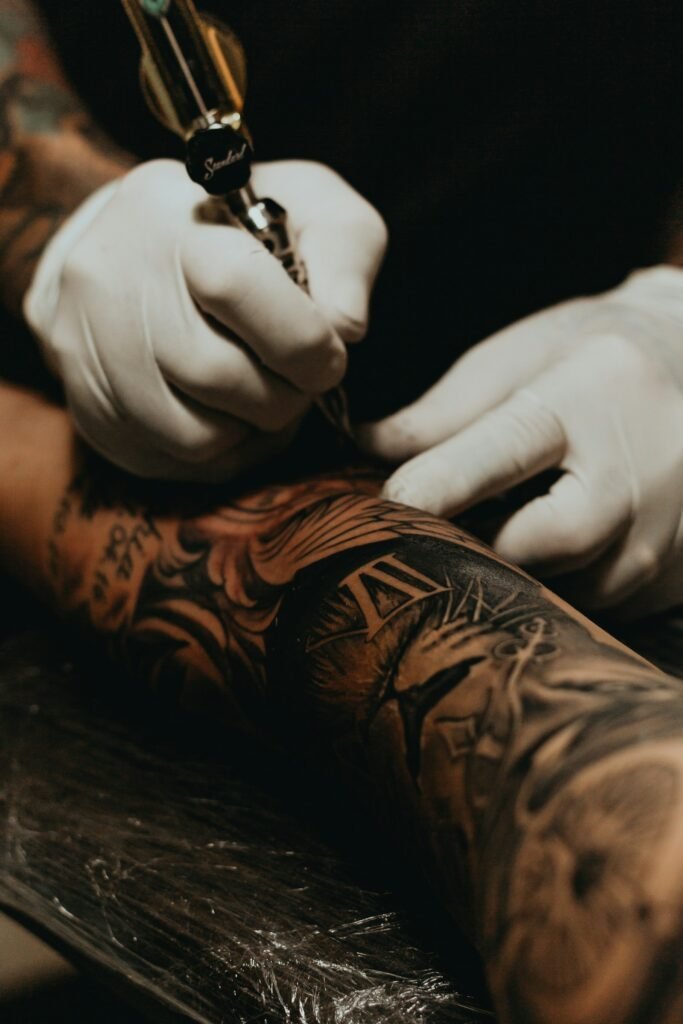
This is the question to settle before the machine question. Laser and IPL treatments — including tattoo removal — are a regulated area, and the rules in England are changing under the incoming licensing regime.
- Local authority registration. In many areas, premises offering laser/IPL treatments need to register with the local council, and requirements differ between authorities.
(Checked against GOV.UK and House of Commons Library briefing CBP-10331 on 2 September 2026: the framework was confirmed in the government’s consultation response of 7 August 2025; the promised further consultation and final regulations were still awaited, and no licensing scheme was yet in force.) - The new England licensing scheme. A national licensing framework for non-surgical cosmetic procedures is being introduced (consultation response published August 2025), with a phased rollout expected across 2026–27. This applies to England; the devolved nations differ.
(Checked against GOV.UK and House of Commons Library briefing CBP-10331 on 2 September 2026: the framework was confirmed in the government’s consultation response of 7 August 2025; the promised further consultation and final regulations were still awaited, and no licensing scheme was yet in force.) - Qualifications. Recognised training such as VTCT Level 3 and Level 4 laser and IPL qualifications is increasingly the practical route to being able to operate compliantly.
Contour Group provides general information, not legal advice — always verify against current GOV.UK guidance. The reason we bundle free accredited VTCT qualifications (delivered by SKIN13) with every laser machine is precisely so this isn’t an afterthought: you leave qualified, not just supplied. You can read more in our guide to laser treatment licensing in the UK.
Will tattoo removal pay back for my salon?

Tattoo removal is a repeat-visit service by nature — clients return for a course of sessions — which can make it a steady line rather than a one-off. But the maths depends on your local pricing, how many sessions you book, and your consumable costs.
We won’t invent a figure for you. For a realistic view of how a device pays back over time, see our treatment ROI and payback guide.
If cashflow is the blocker, finance can spread the cost so the machine can start earning before it’s paid off. Finance is subject to status and affordability.
What’s included when you buy from Contour?
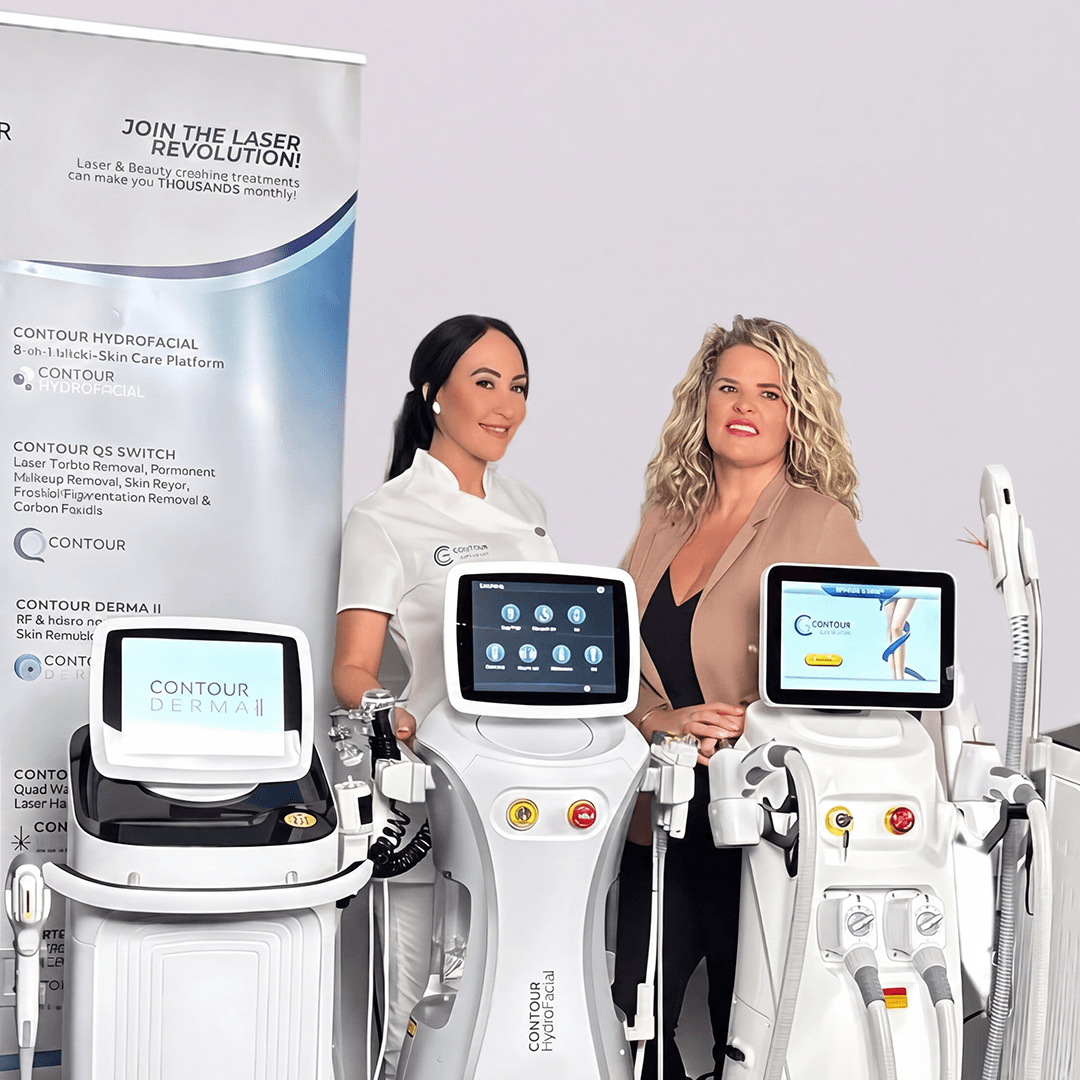
Every Contour machine comes as the complete package, not a box in a crate:
- The machine — the right device for your client base.
- Free accredited qualification — VTCT training, delivered by SKIN13.
- Free manufacturer training — for up to five members of staff.
- 1:1 business coaching — with Katie Godfrey (KG).
- FCA-regulated finance — spread the cost (subject to status).
- After-sale support — from a team that’s run salons themselves.
The honest next step

If tattoo removal is on your menu wish-list, the best next move is a no-pressure conversation about whether it fits your clients, your space and your licensing position. Explore the details on our tattoo removal machine page, or book a demo when you’re ready — we’ll talk you through the practicalities, not push you toward the priciest option.
—
Written by Janice Hilton, founder and managing director of Contour Group and a former salon owner who’s added treatment lines to her own business.